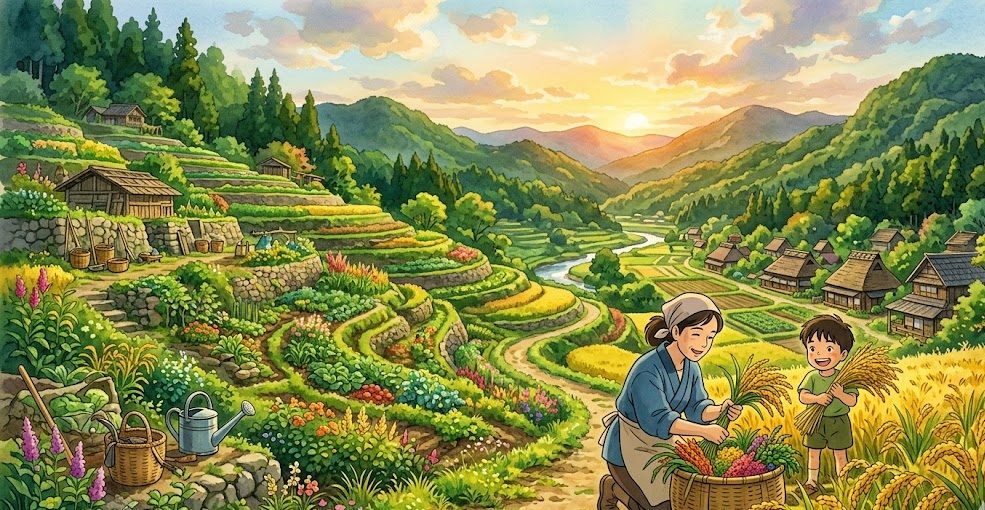
In the rapidly evolving agricultural landscape of 2026, the global food system faces a paradox. While we have achieved record-breaking yields with a handful of “super crops,” our reliance on a narrow genetic base has left us vulnerable to climate shifts, pests, and soil depletion. For the forward-thinking grower seeking Financial Freedom, the next “digital goldmine” isn’t found in a new lab-grown hybrid, but in Nature’s Lost Gold: the forgotten, indigenous, and underutilized crops of our ancestors.
Reviving these ancient varieties is more than a nostalgic project; it is a strategic path toward a resilient, high-yield, and “Zero Chemical” future. This guide explores why heritage crops are the cornerstone of “Smart Farming” and how they can transform your farm into a high-profit innovation hub.
1. The Genetic Goldmine: Resilience by Design
Most modern “High-Value Cash Crops” are bred for high performance under perfect conditions. In contrast, forgotten crops—often referred to as “Orphan Crops”—have survived for millennia by adapting to harsh environments without human intervention.
- Climate Resilience: Ancient grains like millets, amaranth, and buckwheat are naturally drought-tolerant and can thrive in poor soil where modern wheat or corn would fail.
- Innate Pest Resistance: Because these crops evolved alongside local ecosystems, they often possess natural defenses against indigenous pests, reducing the need for expensive chemical interventions.
- Nutritional Density: “Lost” crops are frequently more nutrient-dense than their mass-produced counterparts, offering higher levels of protein, fiber, and essential minerals.
2. Healing the Soil Naturally: The Biological Engine
One of the most significant advantages of reviving forgotten crops is their role in healing the soil naturally. These plants are often the “mechanical necessity” required to restore a degraded “biological engine.”
- Deep Root Systems: Many ancient varieties have deep, aggressive root systems that break up compacted soil and bring sub-surface minerals to the topsoil.
- Nitrogen Fixation: Indigenous legumes and pulse varieties act as a natural “recharge” for the soil, pulling nitrogen from the atmosphere and reducing the need for synthetic NPK.
- The No-Till Synergy: These crops often thrive in “low-maintenance” no-till systems, preserving the fungal networks (mycorrhizae) that are essential for long-term soil health.
3. Smart Farming with Ancient Seeds
In 2026, we don’t just plant these seeds; we manage them with “Smart Technology” to achieve Precision Yields.
- IoT Monitoring: Use soil sensors to track how these hardy crops respond to minimal water inputs, allowing you to refine your “water-saving techniques.”
- AI-Driven Market Analysis: Artificial Intelligence can identify emerging consumer trends for “Ancient Grains” and “Superfoods,” ensuring you grow exactly what the high-end market demands.
- Predictive Analytics: AI acts as the “brain” of the farm, predicting the best harvest windows to maintain the unique nutritional profiles of these heritage varieties.
4. The Economics of Niche Markets: High-Value “Lost” Crops
To “Maximize Your Profits,” you must move away from commodity markets and into niche, high-value sectors.
- Exotic Vegetables & Grains: Forgotten varieties of tubers, colorful carrots, and ancient pulses command premium prices in urban organic markets and high-end restaurants.
- Zero Chemical Branding: Consumers in 2026 are willing to pay a premium for “Zero Chemical” and “Ethically Sourced” heritage products.
- Value-Added Heritage: Processing these crops into specialized flours, gluten-free snacks, or cold-pressed oils can turn a modest harvest into a massive “Passive Income” stream.
5. Implementing a “Closed-Loop” Heritage System
A profitable farm is a self-sustaining ecosystem. Reviving forgotten crops is the ultimate “Practical Farming” blueprint for a “Closed-Loop” operation.
- Livestock Integration: Ancient crop residues often make superior fodder for poultry, goats, or dairy cattle. This creates a cycle where animals provide manure for bio-inputs, and crops provide nutritious feed.
- Biodiversity as a Shield: Planting a diverse range of forgotten crops confuses pests and invites natural predators, a cornerstone of “Natural Pest Management (NPM).”
- Survival Farming Success: By mastering the cultivation of these hardy varieties, you secure your own food security and independence from global supply chain disruptions.
Conclusion: Securing Your Agricultural Future
Reviving forgotten crops is a strategic path to Financial Freedom in 2026. By combining the precision of Smart Technology with the ancestral wisdom of indigenous seeds, you create a resilient, high-yield environment that requires less effort and zero chemical costs.
Whether you are scaling a commercial “Farming Innovation Hub” or practicing intensive “Micro Farming,” the goal remains: grow more, waste less, and restore the earth. “Nature’s Lost Gold” is waiting to be rediscovered—and for the modern farmer, it is the most valuable asset in the digital field.