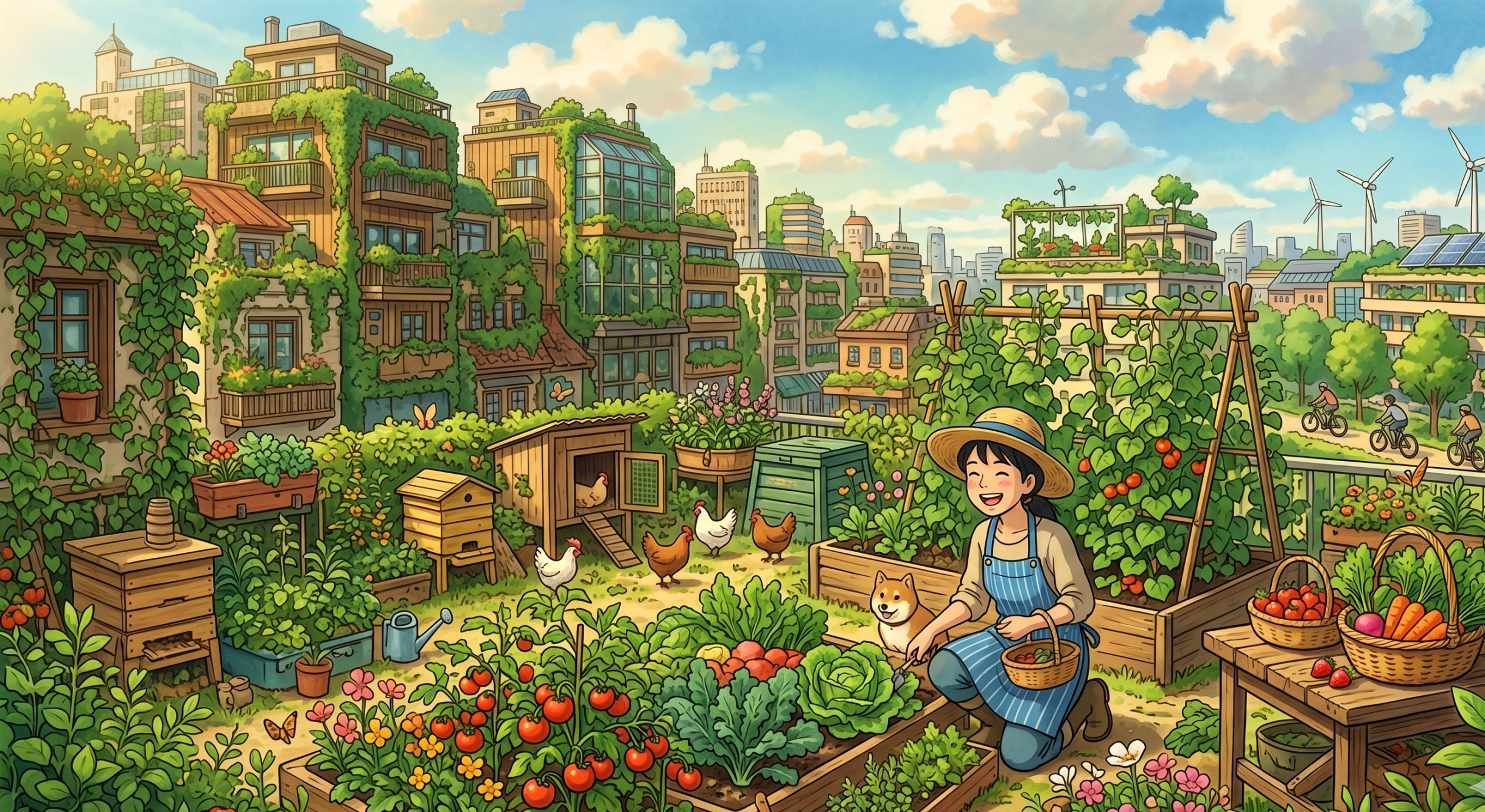
In a world rapidly urbanizing, the disconnect between our food source and our dining tables has never been greater. We live in concrete jungles, often relying on produce that has traveled hundreds, if not thousands, of miles—losing nutritional value and racking up a significant carbon footprint along the way. Enter Micro-Farming: the revolutionary approach to agriculture that proves you don’t need a sprawling countryside to be a farmer.
What is Micro-Farming?
Micro-farming is the practice of intensive food production on a very small scale. Whether it is a kitchen windowsill, a small apartment balcony, a backyard, or an unused rooftop, micro-farming utilizes vertical space, advanced containers, and sustainable techniques to yield high-quality produce. It is not just about gardening; it is about creating a hyper-local, efficient food system right where you live.
Why Micro-Farming is Taking Over
The surge in popularity of micro-farming isn’t just a trend; it’s a reaction to modern environmental and health challenges.
1. Zero-Kilometer Produce
The most significant benefit of micro-farming is the “farm-to-table” speed. When you harvest lettuce or herbs just seconds before they hit your salad bowl, you are consuming peak-nutrient produce. You eliminate the need for long-distance transportation and harmful preservatives.
2. Chemical-Free Nutrition
Market produce is often laden with synthetic pesticides and herbicides to survive the supply chain. When you control the micro-farm, you choose the inputs. By using organic compost and natural pest deterrents like neem oil, you ensure that your family eats only the cleanest food.
3. Environmental Impact
Micro-farming consumes significantly less water than traditional commercial agriculture. Techniques like hydroponics (water-based) or aeroponics use up to 90% less water because the water is recycled within the system. Furthermore, by growing food locally, you drastically reduce the carbon emissions associated with transporting produce.
4. Mental Well-being
There is a profound therapeutic effect in nurturing life. Engaging with plants in a small-scale setting reduces cortisol levels, provides a sense of accomplishment, and helps city dwellers reconnect with the rhythms of nature.
How to Get Started: A Practical Guide
Starting your micro-farm doesn’t require a degree in botany. Follow these foundational steps:
Step 1: Analyze Your Space
Assess your environment. How much sunlight does your balcony get? Do you have wall space for vertical planters? Even a bright windowsill is enough to start a thriving herb garden.
Step 2: Choose Your Method
- Container Gardening: The simplest form. Use breathable fabric pots or recycled containers with good drainage.
- Vertical Farming: Use shelving units or wall-mounted pockets to stack your plants. This is the hallmark of professional micro-farming.
- Hydroponics: Perfect for indoor setups. Growing in nutrient-rich water eliminates the mess of soil and is highly space-efficient.
Step 3: Select the Right Crops
For beginners, fast-growing plants provide quick gratification and frequent harvests:
- Microgreens: Radish, sunflower, mustard, and kale. These can be harvested in 7–14 days.
- Herbs: Basil, mint, cilantro, and parsley.
- Compact Vegetables: Cherry tomatoes, chili peppers, and dwarf varieties of spinach or kale.
Step 4: Maintenance and Optimization
Micro-farms thrive on consistency. Use organic liquid fertilizers, ensure proper airflow to prevent mold, and invest in a simple LED “grow light” if your apartment lacks natural sunlight.
The Economic Potential: Turning a Hobby into a Side Hustle
Micro-farming isn’t just for self-consumption; it is a viable micro-business.
- Niche Market Supply: Local chefs and high-end restaurants often seek premium, fresh microgreens that aren’t available in bulk supermarkets.
- Subscription Boxes: You can offer a “Weekly Salad Box” to neighbors, providing them with fresh, pesticide-free greens for a monthly fee.
- Education: If you master the craft, your expertise is valuable. Start a blog, create a YouTube channel, or conduct workshops for others in your city looking to start their own farms.
Overcoming Common Challenges
Every micro-farmer faces obstacles, but they are manageable:
- Space Constraints: Solve this by “thinking vertically.” Every inch of wall space is an opportunity.
- Pest Issues: Avoid harsh chemicals. Use biological controls like ladybugs or organic sprays like soap-water and neem oil.
- Lack of Time: Automate your system. A simple drip irrigation timer or a self-watering planter system can handle the heavy lifting while you’re at work.
The Future is Small
Micro-farming is a quiet revolution. It empowers the individual to take back control of their food security and fosters a deeper relationship with the environment. As our cities grow denser, the need for green, productive spaces within them becomes essential.
By transforming a balcony into a pantry, we are not just growing plants; we are growing a more resilient, healthier, and sustainable future. Whether you start with a single tray of microgreens or a full-scale vertical hydroponic system, you are contributing to a healthier planet.