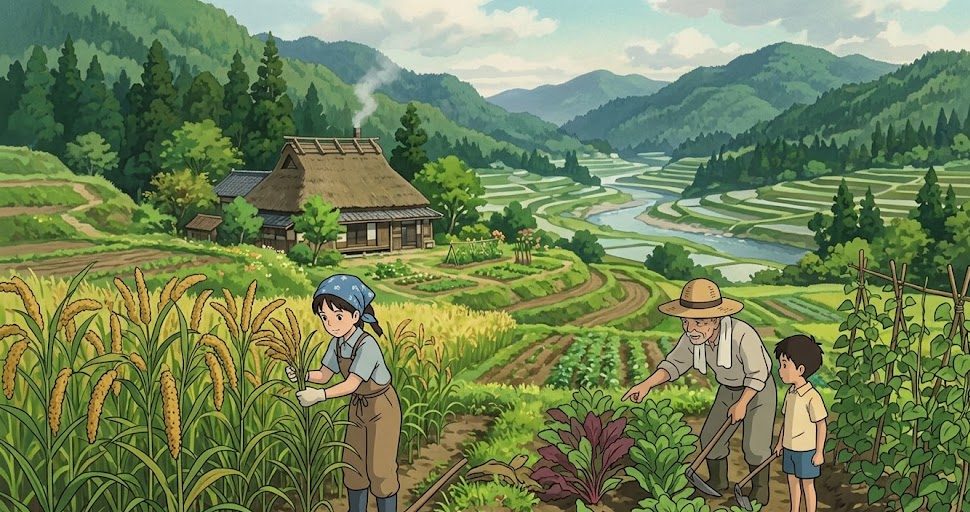
For decades, the global agricultural system has narrowed its focus to a handful of “mega-crops”—primarily wheat, corn, and rice. While these crops have fed billions, this reliance on a narrow genetic base has come at a cost: reduced biodiversity, increased vulnerability to climate shocks, and a decline in the nutritional density of our food.
Across the globe, a movement is emerging to reclaim our agricultural heritage. Farmers, agronomists, and chefs are rediscovering “forgotten crops”—ancient grains, pulses, and tubers that once sustained civilizations for millennia. These crops are not just historical curiosities; they are the key to a climate-resilient and more nutritious future.
The “Mega-Crop” Trap
Modern farming has been optimized for efficiency and yield in ideal conditions. However, the climate of 2026 is far from ideal. Droughts, unpredictable rainfall, and soil degradation are the new reality. Our modern mega-crops, bred for perfection, often collapse under these stressors, requiring expensive inputs—fertilizers, pesticides, and excessive irrigation—to survive.
In contrast, forgotten crops were domesticated in harsh, variable environments. They evolved to survive heat, pests, and poor soil without chemical intervention. By reviving them, we aren’t just diversifying our diet; we are building an ecological safety net.
Forgotten Crops: The Powerhouses of Resilience
1. Millets: The “Miracle Grains”
Once a staple across Africa and Asia, millets (like Finger Millet, Pearl Millet, and Foxtail Millet) were largely pushed aside by wheat and rice.
- The Resilience Factor: Millets are arguably the most drought-tolerant cereal grains in existence. They require very little water, grow in nutrient-poor soils, and are naturally resistant to most pests.
- Nutritional Value: They are powerhouse foods, rich in calcium, iron, and fiber. They also have a low glycemic index, making them a healthier alternative to white rice or refined wheat.
2. Amaranth and Quinoa: The Protein-Packed Ancient Grains
These “pseudo-cereals” were the primary calorie sources for Aztec and Inca civilizations.
- The Resilience Factor: They thrive in high altitudes and marginal, saline soils where other grains would fail. They are incredibly hardy, standing up to both heat stress and cold snaps.
- Nutritional Value: They are among the few plant sources that provide a “complete” protein, containing all nine essential amino acids. They are also packed with antioxidants and magnesium.
3. Sorghum: The All-Purpose Survivor
Sorghum is a remarkably versatile crop that has been cultivated for thousands of years.
- The Resilience Factor: Often called the “camel of the cereal crops,” sorghum can produce a yield even under extreme heat and severe drought conditions. Its deep root system allows it to tap into moisture that other crops simply cannot reach.
- Nutritional Value: It is gluten-free and rich in phenolic compounds that have been linked to reduced inflammation and heart health.
Why Reviving Forgotten Crops Makes Business Sense
If you are a farmer looking to diversify, forgotten crops offer a unique value proposition that is becoming increasingly attractive to the market.
1. Low-Input, Low-Risk Farming
Because these crops are naturally adapted to local environments, they require significantly fewer fertilizers and pesticides. This reduces your overhead costs. When you grow a crop that is “at home” in your soil, you are essentially farming with nature, not against it.
2. The Premium “Superfood” Market
Consumers are shifting toward high-nutrition, “ancient” products. There is a massive, growing demand for gluten-free, nutrient-dense grains and tubers. By growing forgotten crops, you are not competing in the bulk-commodity market with millions of other wheat farmers. You are providing a specialty, high-demand product that commands a premium price.
3. Climate Insurance
A diversified farm is a resilient farm. If an extreme weather event strikes, your mega-crops might fail, but your ancient grains—built for adversity—will likely survive. They provide a vital backup revenue stream that can keep your farm solvent during a bad season.
How to Start Reviving Ancient Crops on Your Farm
You don’t have to switch your entire operation to ancient grains overnight. The transition should be strategic.
- Start Small: Dedicate 10-20% of your land to a trial patch of a forgotten crop that is historically native to your region. This minimizes risk while allowing you to learn the nuances of the crop.
- Source Heirloom Seeds: Don’t buy commercialized hybrids. Seek out heirloom, non-GMO seed varieties from local agricultural cooperatives or seed banks. These varieties hold the true “resilience genes” you need.
- Market to the Local Community: Before you plant, talk to local health food stores, artisan bakers, and farm-to-table restaurants. Explain the story of your crop. “Reviving an ancient grain that has been lost for 50 years” is a marketing story that no industrial farm can compete with.
The Broader Impact: A More Diverse Global Food System
Beyond the profit and the resilience, there is a moral imperative to this work. When we allow crop diversity to vanish, we lose the genetic library that could hold the solutions to the next generation of agricultural challenges.
Forgotten crops are not a step backward. They are a leap forward into a smarter, more sustainable way of managing our land. They remind us that nature has already provided the tools to withstand a changing climate—we simply stopped using them.
By integrating these resilient survivors into our fields, we are restoring the health of our soil, the diversity of our diet, and the security of our livelihoods. The future of agriculture isn’t just about the latest technology; it’s about remembering what worked for thousands of years, and adapting that wisdom for the modern world.