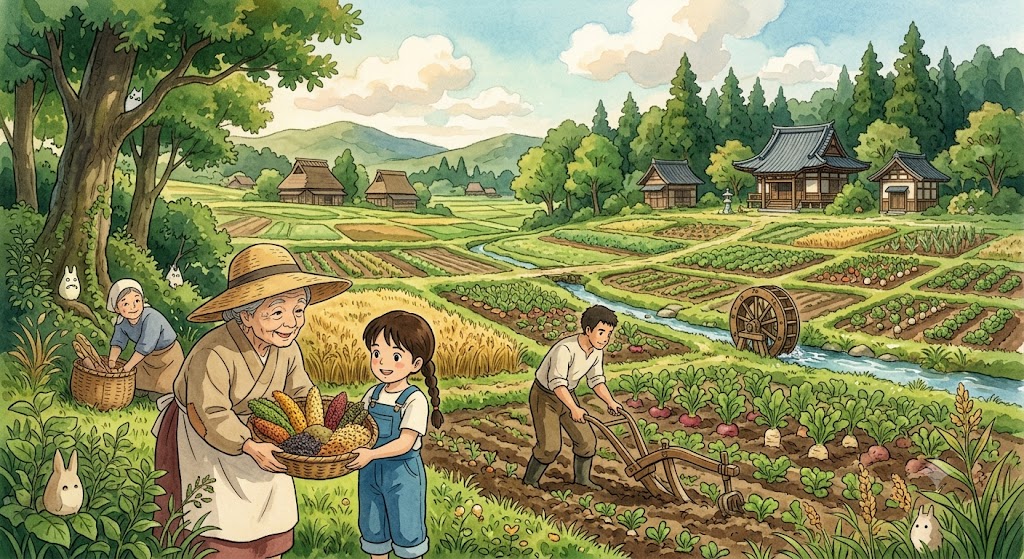
Modern agriculture has achieved remarkable productivity through improved crop varieties, advanced farming technologies, and large-scale production systems. However, as agricultural landscapes have become increasingly focused on a small number of major crops, many traditional and indigenous crops have gradually disappeared from mainstream farming. These forgotten crops once played a vital role in local food systems, providing nutrition, resilience, and cultural value to communities around the world.
Today, growing concerns about climate change, food security, biodiversity loss, and sustainable farming are renewing interest in traditional crops. Many of these species possess valuable characteristics such as drought tolerance, pest resistance, adaptability to poor soils, and high nutritional value. By rediscovering and reintroducing traditional crops, farmers can diversify production systems, strengthen food security, and contribute to more sustainable agricultural practices.
This article explores the importance of traditional crops and their role in building resilient and sustainable food systems for the future.
What Are Traditional Crops?
Traditional crops are plant species and varieties that have been cultivated by local communities for generations.
These crops are often:
- Indigenous to specific regions
- Adapted to local environments
- Closely connected to cultural traditions
- Maintained through farmer selection over many years
Examples may include:
- Millet
- Sorghum
- Amaranth
- Teff
- Cowpeas
- Indigenous legumes
- Local root crops
- Heritage vegetable varieties
Although many traditional crops were once widely grown, modern agricultural trends have reduced their cultivation in many areas.
Why Traditional Crops Are Being Rediscovered
Several global challenges are increasing interest in traditional crops.
These include:
- Climate change
- Water scarcity
- Soil degradation
- Nutritional deficiencies
- Biodiversity loss
- Food security concerns
Many traditional crops possess characteristics that make them valuable solutions to these challenges.
Their resilience and adaptability can help support sustainable agricultural development.
Climate Resilience and Adaptability
One of the greatest strengths of traditional crops is their ability to thrive under difficult environmental conditions.
Many traditional species are naturally adapted to:
- Drought
- Heat stress
- Poor soils
- Variable rainfall
- Low-input farming systems
Unlike some modern crop varieties that require significant external inputs, traditional crops often perform well under challenging conditions.
This resilience makes them increasingly important as climate patterns become less predictable.
Improving Food Security
Food security depends on reliable agricultural production.
Traditional crops can contribute by:
- Diversifying food sources
- Reducing dependence on a few major crops
- Supporting local food systems
- Improving resilience to environmental shocks
When farmers grow a wider range of crops, communities become less vulnerable to crop failures and market disruptions.
Diversification strengthens food system stability.
Enhancing Agricultural Biodiversity
Agricultural biodiversity is essential for long-term sustainability.
The widespread adoption of a small number of crop species has reduced genetic diversity in many farming systems.
Traditional crops help preserve:
- Unique plant genetics
- Local adaptations
- Valuable breeding resources
- Ecological resilience
Maintaining diverse crop populations supports healthier agricultural ecosystems.
Greater biodiversity often improves resilience against pests, diseases, and climate challenges.
Nutritional Benefits of Traditional Crops
Many traditional crops offer exceptional nutritional value.
They often contain:
- High-quality protein
- Dietary fiber
- Essential vitamins
- Important minerals
- Antioxidants
Examples include:
Amaranth
Rich in protein, calcium, and iron.
Millet
Provides fiber, minerals, and complex carbohydrates.
Cowpeas
Offer valuable protein and nutrient content.
Teff
Contains important minerals and amino acids.
Promoting traditional crops can help improve dietary diversity and nutrition.
Reduced Dependence on Agricultural Inputs
Many traditional crops require fewer external inputs than highly intensive production systems.
Advantages may include:
- Lower fertilizer requirements
- Reduced pesticide dependence
- Improved drought tolerance
- Lower irrigation needs
This makes traditional crops particularly valuable for small-scale farmers and resource-limited regions.
Reduced input dependence can also improve profitability.
Supporting Sustainable Farming Systems
Traditional crops often fit naturally within sustainable agricultural practices.
They can contribute to:
- Crop rotation systems
- Soil conservation
- Water efficiency
- Biodiversity enhancement
Many traditional farming systems developed over centuries of adaptation to local environmental conditions.
These practices continue to offer valuable lessons for modern sustainable agriculture.
Economic Opportunities for Farmers
Growing demand for specialty and heritage foods is creating new market opportunities.
Consumers increasingly seek:
- Traditional foods
- Local products
- Nutrient-dense ingredients
- Sustainable food options
Farmers may benefit from:
- Premium pricing
- Niche markets
- Value-added products
- Direct marketing opportunities
Traditional crops can provide both environmental and economic advantages.
Examples of Valuable Traditional Crops
Millet
Millet is highly drought-resistant and performs well in dry regions.
Benefits include:
- Efficient water use
- Good nutritional value
- Adaptability to poor soils
Sorghum
Sorghum is one of the world’s most resilient cereal crops.
Advantages include:
- Heat tolerance
- Drought resistance
- Versatile uses
Amaranth
Amaranth provides nutritious leaves and grain.
Benefits include:
- High protein content
- Adaptability to diverse environments
- Strong market potential
Cowpeas
Cowpeas improve soil fertility through nitrogen fixation.
They also provide valuable food and livestock feed.
These crops demonstrate the practical benefits of traditional agricultural diversity.
Integrating Traditional Crops into Modern Agriculture
Farmers can incorporate traditional crops through:
- Crop diversification
- Mixed farming systems
- Agroforestry
- Sustainable rotations
Successful integration requires:
- Market development
- Seed availability
- Farmer education
- Production research
Combining traditional crops with modern agricultural practices often produces the best results.
Preserving Indigenous Knowledge
Traditional crops are often linked to valuable agricultural knowledge.
Local communities frequently possess expertise related to:
- Crop management
- Seed selection
- Soil conservation
- Food preparation
Preserving this knowledge helps maintain cultural heritage while supporting agricultural sustainability.
Indigenous farming practices often provide important insights into climate adaptation.
Research and Innovation Opportunities
Researchers are increasingly studying traditional crops to better understand their potential.
Areas of interest include:
- Climate resilience
- Nutritional benefits
- Crop improvement
- Sustainable production methods
Scientific research can help unlock new opportunities while preserving valuable genetic resources.
Innovation and tradition can work together to strengthen future food systems.
Challenges to Wider Adoption
Despite their benefits, traditional crops face several obstacles.
These may include:
- Limited market awareness
- Inadequate seed systems
- Lack of processing infrastructure
- Insufficient research investment
Addressing these challenges is essential for expanding the role of traditional crops in modern agriculture.
Supportive policies and market development can encourage wider adoption.
Building Resilient Food Systems
A resilient food system relies on diversity, adaptability, and sustainability.
Traditional crops contribute by:
- Enhancing biodiversity
- Improving climate resilience
- Supporting local food production
- Diversifying agricultural economies
Their reintroduction can strengthen both rural livelihoods and global food security.
The Future of Traditional Crops
As agriculture adapts to changing environmental conditions, traditional crops are likely to become increasingly important.
Future opportunities include:
- Climate-smart agriculture programs
- Sustainable food initiatives
- Specialty food markets
- Conservation agriculture systems
Their unique characteristics position them as valuable components of future farming systems.
Conclusion
Rediscovering traditional crops offers a powerful opportunity to improve agricultural sustainability, strengthen food security, and preserve valuable biodiversity. These crops provide resilience, nutritional benefits, environmental advantages, and economic opportunities that are increasingly relevant in a world facing climate uncertainty and resource constraints.
By integrating traditional crops into modern farming systems, farmers can diversify production, reduce risk, and build more sustainable agricultural operations. As interest in resilient and environmentally responsible food production continues to grow, traditional crops may once again play a central role in feeding communities while protecting natural resources for future generations.