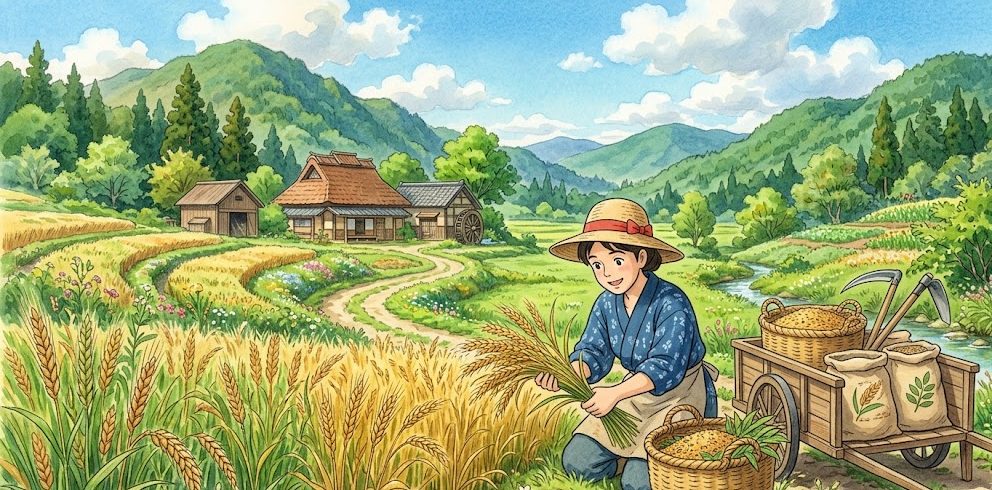
In the modern agricultural world, “Heirloom Farming” is more than just a trend; it is a movement back to the roots of human civilization. While commercial agriculture has focused on a few high-yield, genetically uniform crops, a growing market of health-conscious consumers and gourmet chefs is demanding something different: Ancient Grains.
Grains like Amaranth, Buckwheat, Millet, Spelt, and Emmer—often referred to as “Heritage” or “Heirloom” grains—are being rediscovered for their superior nutritional profiles, unique flavors, and ecological resilience. For the modern farmer, reviving these crops offers a lucrative opportunity to exit the “commodity trap” and enter a high-value niche market.
1. What are Ancient Grains and Heirloom Crops?
Ancient grains are varieties that have remained largely unchanged over the last several thousand years, unlike modern wheat which has been heavily cross-bred for industrial processing. Heirloom crops are typically open-pollinated varieties passed down through generations, often possessing natural resistance to local pests and climate variations.
Why the Market is Exploding:
- Nutritional Superiority: Ancient grains are often higher in protein, fiber, and essential minerals (like Magnesium and Iron) compared to modern refined grains.
- Gluten Sensitivities: Many ancient grains (like Millet and Teff) are naturally gluten-free, catering to a massive and growing demographic.
- Sustainability: These crops often require less water and fewer chemical fertilizers, making them ideal for regenerative and organic farming models.
2. Selecting the Right Grains for Your Region
Profitability in heirloom farming depends on matching the crop to your local micro-climate. Unlike industrial crops, ancient grains thrive in specific conditions:
- Arid and Semi-Arid Regions: Millets and Sorghum are “climate-smart” crops. They are drought-tolerant and can produce high yields with minimal irrigation.
- High Altitudes: Quinoa and Amaranth are resilient to cooler temperatures and poor soil quality, making them perfect for hilly or marginal lands.
- Temperate Climates: Spelt, Einkorn, and Emmer (the “ancient wheats”) grow well in regions where traditional wheat is cultivated but offer a premium price point.
3. The Agronomy of Heirloom Farming: A Natural Approach
Heirloom farming requires a shift in mindset. You are not just growing a crop; you are stewarding a biological legacy.
Soil Preparation and Biodiversity
Ancient grains do not respond well to heavy synthetic nitrogen. Instead, they thrive in biologically active soil.
- Compost and Bio-fertilizers: Focus on building soil organic matter.
- Intercropping: Growing ancient grains alongside legumes (like lentils or chickpeas) creates a natural nitrogen-fixing system, reducing the need for external inputs.
Seed Saving and Purity
The value of heirloom farming lies in the genetic purity of the seed. Commercial farmers in this niche often practice “Seed Saving,” selecting the strongest plants each year to adapt the grain to their specific soil over time. This creates a “terroir”—a unique flavor profile that can be marketed as a premium, localized product.
4. Maximizing Profitability: From Farm to Table
In heirloom farming, the real profit isn’t in the raw harvest; it’s in the “Value-Add.”
A. Direct-to-Consumer (D2C) Marketing
Selling raw grain to large-scale silos will result in commodity prices. Instead, profitable heirloom farmers sell directly to:
- Artisan Bakeries: Bakers are willing to pay 3x the market price for freshly stone-ground heirloom flour.
- Health Food Stores: Packaged, branded ancient grains (like “Organic Pearl Millet”) command a premium in urban markets.
- Farm-to-Table Restaurants: Chefs look for unique textures and stories to put on their menus.
B. Processing and Milling
Investing in a small-scale Stone Mill allows you to sell flour instead of grain. Freshly milled heirloom flour retains more nutrients and oils, making it a high-demand “craft” product.
5. Overcoming Challenges in the Ancient Grain Niche
While the margins are high, heirloom farming comes with unique hurdles:
- Lower Yields: Ancient grains generally produce less volume per acre than industrial hybrids. However, the higher price per kilogram (often 4x-5x higher) usually compensates for this.
- Specialized Harvesting: Some grains (like Amaranth) have tiny seeds that require specific combine adjustments or manual harvesting techniques to avoid loss.
- De-hulling Requirements: Grains like Spelt and Emmer have a tough outer hull that must be removed using specialized equipment before they can be eaten.
6. Commercial Impact and AdSense Synergy
From a digital perspective, this niche is a goldmine for AdSense revenue. Content around “Organic Grains,” “Gluten-Free Diets,” and “Sustainable Agriculture” attracts high-value advertisers:
- Premium Seed Brands: Companies selling non-GMO and heirloom seeds.
- Kitchen Tech: Stone mills, dehydrators, and high-end ovens.
- Eco-Tourism: Farms that offer “Agri-tourism” experiences centered around heritage crops.
Conclusion: The Future is Ancient
Reviving ancient grains is a powerful way to combine historical wisdom with modern market demand. By focusing on Heirloom Farming, cultivators can protect global biodiversity, improve human health, and build a highly profitable, climate-resilient business.
In an age of mass-produced, tasteless food, the farmer who grows a crop with a history, a soul, and a superior nutritional profile will always find a loyal and high-paying market. The future of profitable agriculture isn’t just about growing more; it’s about growing better.