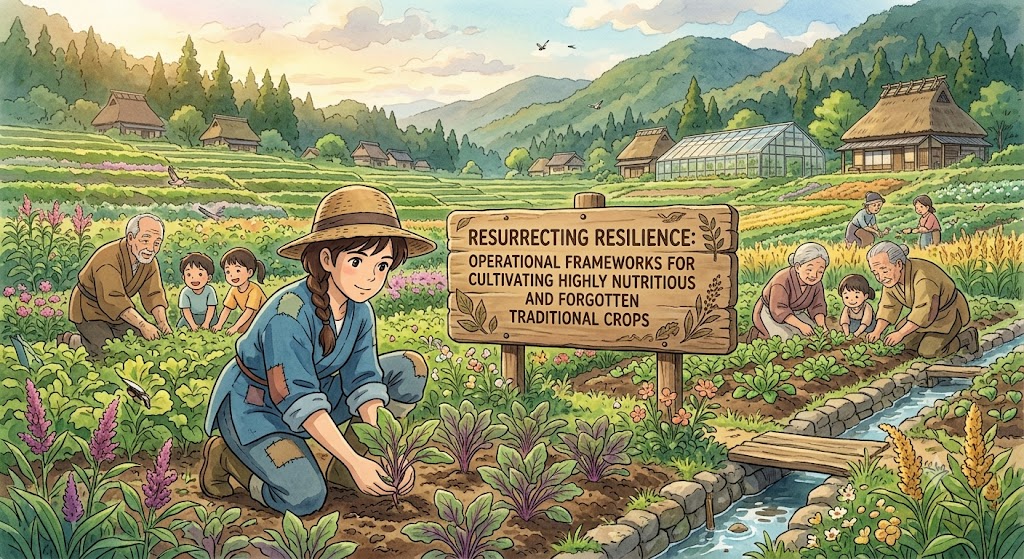
For thousands of years, traditional crops formed the foundation of local food systems, cultural heritage, and agricultural resilience. However, as modern agriculture shifted toward large-scale production of a limited number of staple crops, many nutritious and climate-resilient traditional varieties gradually disappeared from mainstream farming. Today, countless indigenous grains, legumes, vegetables, and root crops remain underutilized despite their exceptional nutritional value and adaptability to challenging growing conditions.
As concerns about food security, climate change, biodiversity loss, and sustainable agriculture continue to grow, forgotten traditional crops are receiving renewed attention. Farmers, researchers, policymakers, and consumers are increasingly recognizing their potential to diversify food systems, improve nutrition, and strengthen agricultural resilience.
Reviving these crops requires more than simply planting old varieties. Successful cultivation depends on structured operational frameworks that combine traditional knowledge with modern farming practices. This guide explores practical strategies for cultivating highly nutritious and forgotten traditional crops while creating sustainable opportunities for farmers and communities.
Understanding Forgotten Traditional Crops
Forgotten traditional crops, sometimes referred to as underutilized or neglected crops, are plant species that were once widely grown but have become less common in modern agriculture.
Examples include:
- Millets
- Amaranth
- Sorghum
- Teff
- Bambara groundnut
- Indigenous beans
- Traditional leafy vegetables
- Ancient grains
- Native root crops
Many of these crops possess unique nutritional and environmental advantages that make them valuable for future food systems.
Why Traditional Crops Matter Today
The modern agricultural sector depends heavily on a relatively small number of major crops.
This concentration creates vulnerabilities related to:
- Climate change
- Pest outbreaks
- Disease pressures
- Market fluctuations
- Nutritional diversity
Traditional crops help address these challenges by providing alternative food and farming options.
Key Benefits
- Enhanced biodiversity
- Greater climate resilience
- Improved nutrition
- Reduced production risks
- Support for local food systems
These advantages make traditional crops increasingly relevant in modern agriculture.
Nutritional Value of Forgotten Crops
Many traditional crops are rich in essential nutrients.
They often contain higher levels of:
- Protein
- Fiber
- Vitamins
- Minerals
- Antioxidants
Examples
Millets are known for their iron and calcium content.
Amaranth provides high-quality protein and essential amino acids.
Traditional legumes contribute valuable plant-based protein and micronutrients.
These nutritional benefits can help support healthier diets and improved food security.
Climate Resilience and Adaptability
One of the greatest strengths of traditional crops is their ability to perform under challenging environmental conditions.
Many varieties tolerate:
- Drought
- High temperatures
- Poor soils
- Limited rainfall
- Marginal farming conditions
Why This Matters
As climate variability increases, resilient crops can help farmers maintain productivity despite environmental stress.
Traditional crops often require fewer external inputs while remaining productive.
Preserving Agricultural Biodiversity
Agricultural biodiversity plays a crucial role in sustainable food production.
Growing a wider range of crops helps:
- Reduce vulnerability to pests
- Improve ecosystem stability
- Support pollinators
- Enhance soil health
Reviving forgotten crops contributes to biodiversity conservation while strengthening agricultural resilience.
Building a Framework for Traditional Crop Cultivation
Successful cultivation requires a structured approach that combines planning, research, and effective farm management.
Key Framework Components
- Crop selection
- Seed preservation
- Soil management
- Water management
- Market development
- Knowledge sharing
Each component contributes to long-term success.
Selecting Suitable Traditional Crops
Not every traditional crop will perform equally well in every region.
Factors to Consider
- Climate conditions
- Soil characteristics
- Water availability
- Market demand
- Cultural relevance
Selecting crops adapted to local environments increases the likelihood of success.
Conserving and Accessing Quality Seeds
Seed availability is often one of the biggest challenges in reviving forgotten crops.
Seed Management Strategies
- Community seed banks
- Farmer seed exchanges
- Conservation programs
- Research institution partnerships
Maintaining high-quality seed stocks helps preserve genetic diversity and supports reliable production.
Soil Health Management
Healthy soil is essential for productive crop cultivation.
Soil Improvement Practices
- Compost application
- Organic matter incorporation
- Cover cropping
- Reduced tillage
- Crop rotation
Many traditional crops perform exceptionally well in soils managed using sustainable practices.
Efficient Water Management
Although many forgotten crops are drought-tolerant, proper water management remains important.
Water Conservation Techniques
- Mulching
- Drip irrigation
- Rainwater harvesting
- Soil moisture monitoring
Efficient water use supports productivity while conserving valuable resources.
Integrating Traditional Knowledge
Local farming communities often possess valuable knowledge about traditional crop cultivation.
Benefits of Indigenous Knowledge
- Region-specific management practices
- Pest control techniques
- Seed preservation methods
- Harvesting strategies
Combining traditional wisdom with modern agricultural science often produces the best results.
Diversified Cropping Systems
Traditional crops are frequently well-suited to diversified farming systems.
Examples
- Intercropping
- Agroforestry
- Mixed farming
- Integrated crop-livestock systems
Diversification improves resilience while reducing production risks.
Pest and Disease Management
Many forgotten crops possess natural resistance to certain pests and diseases.
Sustainable Management Practices
- Crop rotation
- Biological controls
- Habitat diversification
- Regular monitoring
Integrated approaches help maintain productivity while reducing chemical dependency.
Post-Harvest Handling and Storage
Proper post-harvest management is critical for preserving quality and reducing losses.
Best Practices
- Timely harvesting
- Proper drying
- Clean storage facilities
- Pest protection
Effective storage systems improve food security and market opportunities.
Developing Markets for Traditional Crops
Market access is essential for encouraging widespread adoption.
Potential Market Opportunities
- Health food sectors
- Organic markets
- Specialty retailers
- Local food programs
- Restaurants
- Export markets
Growing consumer interest in nutritious and sustainable foods is creating new opportunities for traditional crops.
Value Addition and Processing
Processing can significantly increase the value of traditional crops.
Examples include:
- Flour production
- Snack products
- Breakfast cereals
- Health food ingredients
Benefits
- Increased income
- Market diversification
- Extended shelf life
Value-added products often command higher prices than raw commodities.
Supporting Farmer Education
Knowledge sharing plays a key role in successful crop revival efforts.
Educational Strategies
- Farmer training programs
- Demonstration plots
- Agricultural workshops
- Extension services
Continuous learning helps farmers adopt best practices and improve productivity.
The Role of Research and Innovation
Research institutions contribute valuable support through:
- Variety development
- Agronomic studies
- Nutritional analysis
- Market research
Scientific innovation can help unlock the full potential of traditional crops.
Economic Benefits for Farmers
Forgotten crops can provide important economic advantages.
Potential Benefits
- Reduced input costs
- Improved resilience
- Access to niche markets
- Diversified income sources
These benefits can strengthen farm profitability and sustainability.
Frequently Asked Questions
1. What are forgotten traditional crops?
They are crop varieties that were once widely cultivated but have become less common in modern agricultural systems.
2. Why are traditional crops important?
They contribute to biodiversity, nutrition, climate resilience, and sustainable agriculture.
3. Are traditional crops profitable?
Yes. Many traditional crops can access specialty, organic, and health-focused markets that offer attractive prices.
4. Do traditional crops require fewer inputs?
Many traditional varieties are naturally adapted to local conditions and may require fewer fertilizers, pesticides, and water resources.
5. How can farmers access traditional crop seeds?
Community seed banks, agricultural organizations, research institutions, and farmer networks are common sources of traditional seeds.
Conclusion
Forgotten traditional crops represent a valuable opportunity to strengthen agricultural resilience, improve nutrition, preserve biodiversity, and support sustainable farming systems. By combining traditional knowledge with modern operational frameworks, farmers can successfully cultivate these underutilized crops while creating new economic opportunities and reducing production risks.
As global agriculture faces increasing environmental and food security challenges, the revival of traditional crops offers a practical pathway toward more diverse, resilient, and sustainable food systems. Through careful crop selection, soil and water management, market development, and continued innovation, these ancient crops can play an important role in shaping the future of agriculture.
Explore more helpful articles on our website for additional farming guides, sustainable agriculture insights, and innovative crop production strategies.