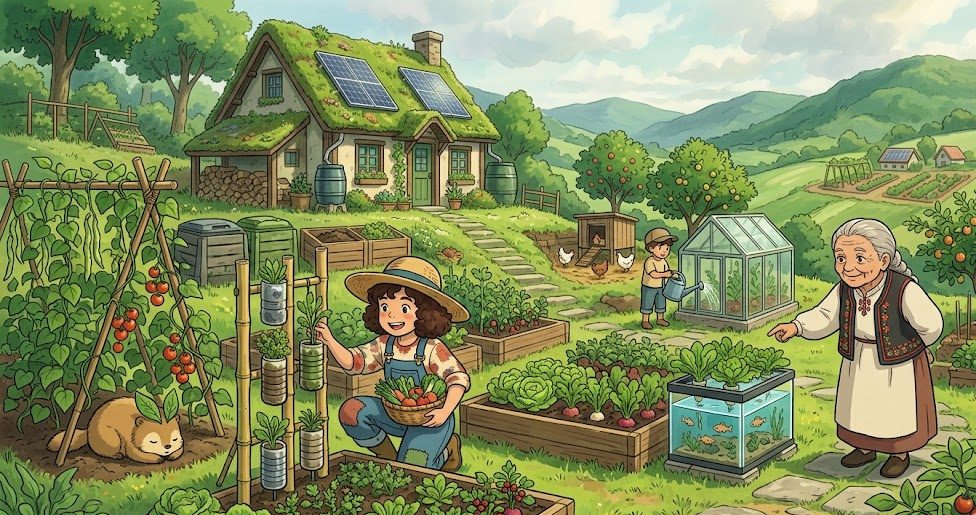
There is a common misconception that farming is only for those who own vast, rolling acres of land. If you do not have a large field, you might feel like your dream of growing food is out of reach. But the truth is, some of the most productive and profitable agricultural operations today are happening on less than a quarter of an acre. Welcome to the world of micro farming—a method of agriculture that focuses on extreme efficiency, high-value crops, and intense land management.
Micro farming is not just about scaling down; it is about scaling up your productivity. By treating a small space with the same precision as a professional lab, you can generate more output from a backyard than some farmers get from an entire hectare. The key is to stop thinking about “acres” and start thinking about “yield per square foot.” Whether you are using a city backyard, a rooftop, or a small rural plot, micro farming is a proven path to fresh, healthy produce and a surprisingly healthy profit.
Maximizing Every Square Inch with Vertical Systems
In a micro farming setup, the ground is only the beginning. The most successful small-scale growers learn to grow “up” rather than “out.” If you are limited by space, you have to maximize your vertical surface area.
Trellising is your best friend. Vining crops like cucumbers, pole beans, and even certain varieties of summer squash can be trained to climb sturdy netting or metal panels. This does two things: it frees up precious ground space for quick-growing crops like lettuce, and it improves airflow, which keeps your plants healthy and free from common fungal diseases.
For an even higher production level, consider DIY vertical towers or tiered shelves. Using stacking containers, you can grow multiple layers of strawberries, herbs, or leafy greens in the footprint of a single plant. Vertical farming is the hallmark of the smart micro farmer; it allows you to triple your harvest volume without needing a single extra square foot of dirt.
Focusing on High-Turnover “Cash” Crops
When land is limited, you cannot afford to waste it on slow-growing commodity crops. You should not be growing corn or massive pumpkins if your goal is productivity and income. Instead, focus on “quick-turn” crops that offer the highest market value.
Microgreens are the gold standard for micro farmers. These tiny seedlings—harvested just two weeks after sprouting—are incredibly popular in gourmet kitchens. Because they grow so fast, you can harvest multiple crops from the same tray in a single month. Other high-value staples include specialty baby arugula, colorful varieties of kale, gourmet salad mixes, and fresh culinary herbs like basil, cilantro, and mint.
These crops are lightweight, require shallow soil depths, and are in constant demand by local chefs and health-conscious families. By focusing your limited space on plants that go from seed to harvest in under 45 days, you ensure a constant, reliable flow of produce.
The Secret Ingredient: Intensive Soil Management
Micro farming is hard on the land because you are constantly planting and harvesting. To keep the cycle going, you must treat your soil like a living, breathing asset. If your soil is exhausted, your production will grind to a halt.
Compost is the heartbeat of a micro farm. You should be building a dedicated composting station to turn your kitchen scraps and garden waste back into “black gold.” Adding an inch of fresh, finished compost to your beds before every new planting provides the steady, natural nutrition your plants need to grow fast and stay healthy.
Beyond just adding nutrients, focus on soil structure. Use a broadfork or a simple garden fork to gently aerate the soil without turning it over. By not digging deeply, you protect the delicate fungal networks that help plants absorb water and minerals. Healthy, loose, nutrient-rich soil allows for high-density planting, which is the secret to high-yield micro farming.
Practical Tips for Your Micro Farm
- Plan Your Successions: Never leave a bed empty. As soon as you harvest one crop, have your next tray of seedlings ready to go into the ground. A master micro farmer always has a “nursery” area for starting seeds so the main beds are never resting.
- Master Drip Irrigation: In a small, intense farm, every drop of water counts. A simple drip irrigation system saves hours of hand-watering and ensures that moisture goes straight to the roots, not the weeds.
- Keep Precise Records: Because you are planting so frequently, it is easy to forget what you planted where. Use a simple notebook or a calendar to track your planting dates and harvest times. You will quickly learn which varieties thrive in your specific micro-climate.
- Go Direct-to-Consumer: Because your produce is likely superior to what is found in supermarkets, do not settle for wholesale prices. Sell directly to your neighbors, or set up a simple subscription box for local families.
A Real-Life Example: The Backyard Revolution
Consider the story of a micro farmer in an urban neighborhood who converted his 500-square-foot backyard into a commercial production site. Initially, he just grew a few tomatoes for his own kitchen. But he noticed his neighbors were constantly asking where he got his incredibly flavorful basil and lettuce.
He decided to scale up. He installed three long, raised cedar beds and a series of vertical wall planters for his herbs. He started a “salad subscription” for his neighbors, where five families paid him a flat weekly fee for a box of fresh, organic greens.
By focusing only on salad mixes and herbs, he didn’t need a tractor or massive tools. He did everything by hand. Within the first season, his backyard was providing enough produce to pay for his entire garden setup plus a tidy profit. He realized he didn’t need ten acres; he just needed to be the best source of fresh greens in his two-block radius.
Common Mistakes to Avoid
The most common mistake is failing to plan for sunlight. You might have the perfect garden bed, but if a neighbor’s tree casts a shadow over it during the peak growth hours, your yield will suffer. Spend one full day observing how the sun hits your space before building any beds.
Another mistake is over-crowding. It is tempting to plant seeds too close together because you want more food, but this leads to stunted plants and attracts aphids and mold. Always follow the spacing instructions on seed packets, or use a “square-foot gardening” guide to calculate how many plants can truly thrive in your area.
Finally, do not forget about pest control. A small farm is a high-density target for pests. Keep your garden clean, remove debris, and keep an eye out for early signs of trouble. A small problem is easy to manage; an infested patch is a harvest-killer.
Step-by-Step Guide to Launching Your First Micro Farm
- Observe and Measure: Take a measuring tape and draw a map of your available space. Mark where the sun hits at 9:00 AM, 1:00 PM, and 5:00 PM.
- Build Simple Beds: Keep it simple. Use untreated wood or stone to build beds that are no more than 4 feet wide. This allows you to reach the center from both sides without ever stepping on (and compacting) your soil.
- Source Quality Compost: Do not fill your beds with cheap garden soil. Buy or build high-quality compost mixed with a little coconut coir for moisture retention.
- Choose Your Starter Crop: Start with two easy, high-value crops—like lettuce and radishes. They are fast, reliable, and will give you the confidence to expand.
- Start Your Seeds: Don’t plant directly in the ground yet. Start your seeds in small trays indoors so they get a head start in a controlled environment before you transplant them.
Conclusion
Micro farming proves that you don’t need a massive investment or a massive field to make a big impact. Whether you are driven by the desire to eat cleaner, to reduce your environmental footprint, or to create a profitable side business, the principles of intensive, small-scale agriculture are your key to success.
It requires a change in mindset—from thinking about scale to thinking about precision. Start small, stay organized, and focus on the health of your soil. Your small patch of land, when managed with intention, can be surprisingly generous.
Frequently Asked Questions (FAQs)
Q: Can I really make money with a small backyard farm? A: Yes, but only if you focus on high-value, fast-turnaround crops. You will not make money selling standard potatoes, but you can be very profitable selling microgreens, specialty herbs, and gourmet salad mixes to local families and high-end restaurants.
Q: How much time does a micro farm take to manage? A: A well-planned micro farm is actually quite efficient. Once your beds are built, you are looking at about 30 to 60 minutes of maintenance a day—watering, harvesting, and checking for pests. The goal is to spend more time harvesting than weeding.
Q: Is it difficult to grow food in the city? A: The biggest challenge in the city is often light and soil contamination. Always test your soil if you are planting directly in the ground. If the soil is contaminated or poor, raised beds are a perfect, safe solution.
Q: Do I need a greenhouse for micro farming? A: A greenhouse is a wonderful tool for extending your season, but it is not necessary to start. You can achieve fantastic results with basic raised beds and simple “row covers”—which are just lightweight fabric cloths that protect plants from early frost and hungry birds.
Q: How do I manage weeds in such a small space? A: Weed management is simple in micro farming: never leave bare soil. When you plant your crops close together according to the square-foot method, their leaves eventually form a “canopy” that shades the ground, naturally preventing weed seeds from getting the light they need to grow.