➡️ INTRODUCTION
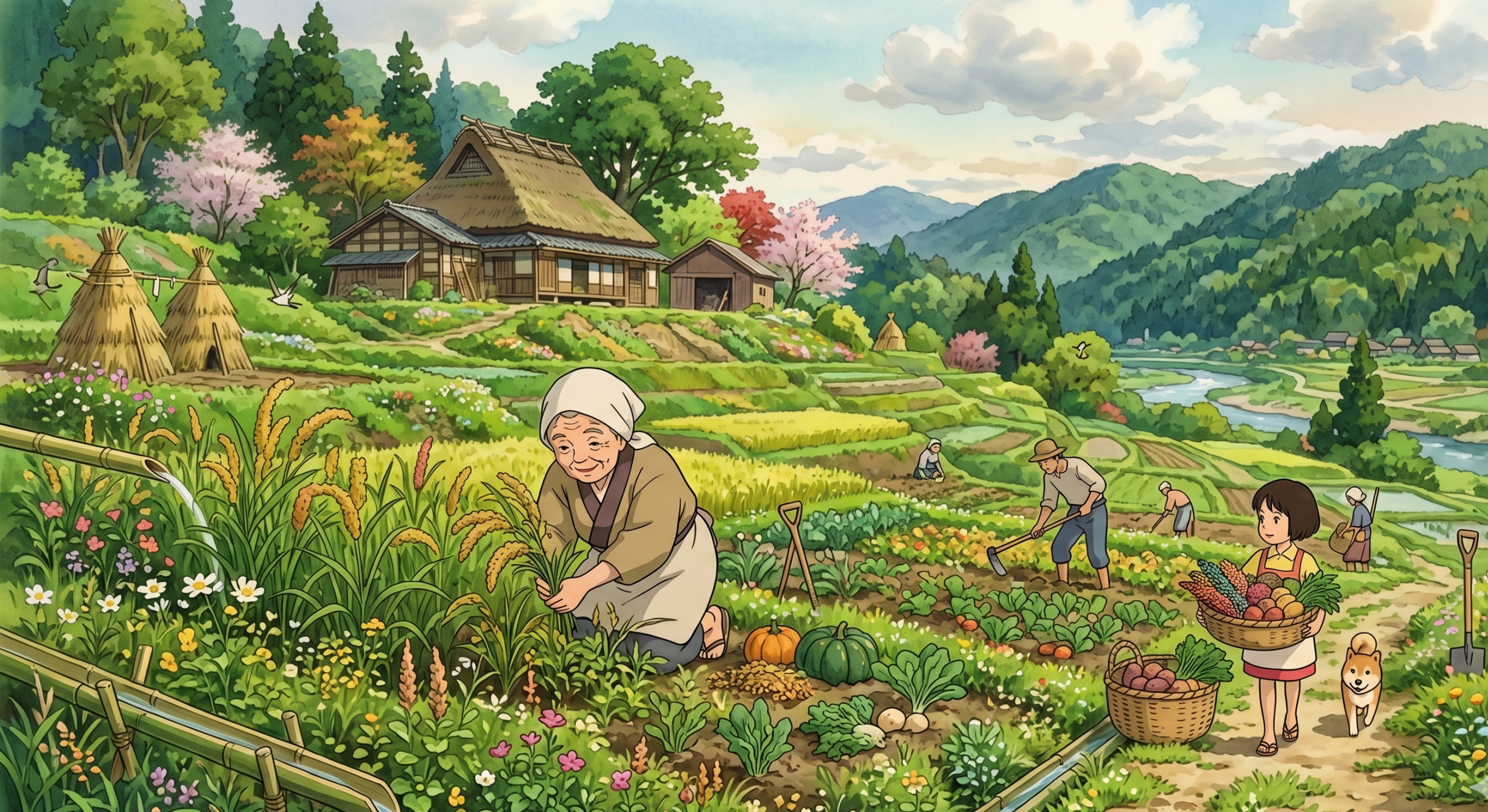
→ Forgotten crops farming focuses on reviving traditional and underutilized crops that were once widely grown but are now neglected due to modern agricultural trends. These crops are often highly nutritious, climate-resilient, and require fewer resources to grow. With increasing awareness about sustainable farming and food diversity, forgotten crops are gaining importance again. By reintroducing these crops, farmers can improve soil health, reduce dependency on chemical inputs, and create new market opportunities.
➡️ Key Points / Benefits
→ Promotes biodiversity
→ Requires low input cost
→ Climate-resilient crops
→ Improves soil health
→ Unique market demand
→ Supports sustainable farming
🔵 1️⃣ → Importance of Forgotten Crops Farming
Forgotten crops play a key role in sustainable agriculture.
Key features:
Traditional crop varieties
Adapted to local climate
Low maintenance
Benefits:
Reduced farming cost
Better resilience
Increased biodiversity
Reviving these crops helps balance modern farming systems.
🔵 2️⃣ → Types of Forgotten Crops
Many traditional crops are now being rediscovered.
Examples:
Millets (ragi, bajra)
Amaranth
Sorghum
Ancient grains
Advantages:
Highly nutritious
Drought resistant
Easy to grow
These crops are ideal for modern sustainable farming.
🔵 3️⃣ → Environmental Benefits
Forgotten crops are eco-friendly.
Practices:
Less water usage
Minimal chemical fertilizers
Natural growth
Benefits:
Soil conservation
Water saving
Reduced pollution
They support long-term environmental health.
🔵 4️⃣ → Market Opportunities
Demand for traditional foods is increasing.
Opportunities:
Organic markets
Health-conscious consumers
Export potential
Benefits:
Higher prices
Niche market
Better income
Farmers can earn more by targeting specific markets.
🔵 5️⃣ → Challenges in Adoption
There are some barriers to adoption.
Challenges:
Lack of awareness
Limited market access
Low demand in some areas
Solutions:
Farmer education
Government support
Better marketing
Awareness can boost adoption rates.
🔵 6️⃣ → Future Scope of Forgotten Crops
These crops have strong future potential.
Trends:
Organic farming growth
Healthy food demand
Climate adaptation
Result:
Higher income
Sustainable farming
Long-term benefits
Forgotten crops can reshape agriculture.
➡️ CONCLUSION
→ Forgotten crops farming is a powerful way to promote sustainability and improve farmer income. By reviving traditional crops and adopting modern practices, farmers can create a balanced and profitable farming system. This approach not only benefits farmers but also supports environmental conservation and food diversity.