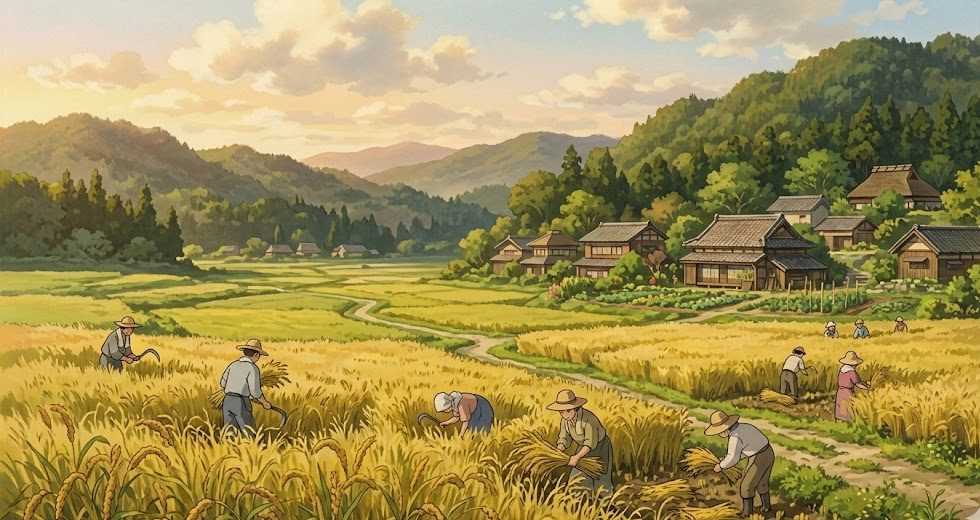
Did you know that of the roughly 30,000 edible plant species on Earth, humanity currently relies on just three—rice, wheat, and maize—for more than 50% of its plant-based calories? This staggering over-dependence has created a fragile “monoculture” global food system. As climate change shifts weather patterns and soil health declines, our reliance on a handful of crops isn’t just a culinary bore; it’s a significant risk to global food security.
The “Challenge” we face is a rigid agricultural system that prioritizes high-yield, high-input crops that often struggle in extreme heat or poor soil. However, the “Main Concept” for our survival might actually lie in our past. Scattered across history are “orphan crops”—resilient, nutrient-dense, and sustainable plants that sustained civilizations for millennia before being sidelined by industrial farming.
In this article, we will explore the untapped potential of these forgotten treasures. You will learn about the science behind their resilience, the economic benefits of diversifying our fields, and a practical roadmap for reintroducing these superfoods into our modern food chain.
Understanding Forgotten Crops: Key Concepts and Importance
To understand forgotten crops (often called underutilized or orphan crops), we must look at how they fell out of favor. Most were sidelined during the Green Revolution of the mid-20th century, which focused on mass-producing a few high-yielding varieties. While this prevented immediate famine, it led to the “extinction” of agricultural diversity.
Think of our global food supply like a financial investment portfolio. If you put 90% of your money into just three stocks, a single market crash could ruin you. Diversifying your portfolio with “alternative” stocks—in this case, crops like Millet, Amaranth, and Bambara groundnut—protects you against volatility.
These crops are naturally adapted to their local environments. Many thrive in “marginal lands” where modern wheat would wither. They are the survivors of the botanical world, possessing genetic traits that allow them to endure droughts, floods, and pests without the need for heavy chemical intervention. Reclaiming them isn’t about moving backward; it’s about using ancient genetics to solve modern environmental crises.
Why It Matters: The Top Benefits of Diversifying Our Fields
The reintroduction of forgotten crops offers a multifaceted solution to some of the world’s most pressing issues. The benefits extend far beyond just having more options on the dinner plate.
- Climate Resilience: Many forgotten crops are “stress-tolerant.” For example, Fonio, a grain from West Africa, can grow in sandy soils with very little water, making it a “climate-smart” alternative as global temperatures rise.
- Nutritional Superiority: Unlike refined modern grains, many ancient crops are nutritional powerhouses. Quinoa (now popular) was once a forgotten crop, and others like Millet are rich in iron, calcium, and antioxidants, which are vital for combating “hidden hunger” or micronutrient deficiencies.
- Soil Regeneration: Legumes like the Bambara groundnut have the incredible ability to “fix” nitrogen in the soil. This naturally fertilizes the earth, reducing the need for synthetic, petroleum-based fertilizers.
- Economic Empowerment: Because these crops are often indigenous to developing regions, scaling their production can empower small-scale farmers and revitalize local economies by creating new markets for “niche” superfoods.
Pro Fact: According to the FAO, diversifying our crop intake could reduce the agricultural sector’s water footprint by up to 20%, as many forgotten crops require significantly less irrigation than thirsty staples like rice.
How to Get Started: A Practical Guide for Beginners
Transitioning toward a more diverse food system—whether you are a gardener, a chef, or a conscious consumer—requires a deliberate approach. Here is a 5-step plan to begin your journey with forgotten crops.
1. Research Your Local “Orphans”
Every region has indigenous plants that were once staples. Use databases like the Crop Trust or Slow Food’s Ark of Taste to identify which resilient crops are native to your climate.
2. Source Heirloom Seeds
Standard garden centers often only carry “big-name” seeds. Look for specialized seed banks or exchange programs that focus on heirloom and open-pollinated varieties. This ensures you are getting the original, hardy genetics.
3. Start with “Low-Stake” Integration
Don’t overhaul your entire diet or farm at once. Start by replacing one modern grain with an ancient one. Try Sorghum instead of couscous, or Teff (a tiny, calcium-rich grain from Ethiopia) in your baking.
4. Optimize Soil, Not Chemicals
Forgotten crops often prefer “natural” conditions. Instead of heavy fertilizers, focus on composting. These plants are evolved to seek out nutrients in complex soil ecosystems, so give them a healthy microbial environment.
5. Create Demand
The biggest hurdle for these crops is a lack of market. Share your findings on social media, ask your local grocer to stock them, or feature them in community dinners. Market demand drives agricultural change.
Beginner’s Tip: Don’t treat ancient grains exactly like white rice. Many forgotten crops have tough outer husks or different boiling points. Always soak your grains overnight to neutralize phytic acid and improve digestibility.
Overcoming Challenges and Looking into the Future
While the potential is vast, we face two main hurdles: Processing and Perception.
- Processing Infrastructure: Many forgotten crops, like Millet, are labor-intensive to de-husk by hand. The solution lies in small-scale, mechanized processing units that can be deployed in rural communities to make these crops as “convenient” as wheat.
- The “Poor Man’s Food” Stigma: In many regions, indigenous crops are seen as “peasant food.” Overcoming this requires a rebranding—highlighting them as premium, gourmet, and health-conscious choices.
Future Trends: We are seeing a surge in “Agri-Tech” focused on genomic sequencing for orphan crops. By mapping the DNA of plants like the Grass Pea, scientists can help farmers breed varieties that are even more resistant to toxins or drought, ensuring these ancient plants are ready for the high-tech farms of 2030 and beyond.
Conclusion
The secret to feeding a growing population on a warming planet isn’t necessarily a laboratory-grown miracle; it may be the seeds we’ve ignored for centuries. By embracing biodiversity and reintroducing forgotten crops into our fields and kitchens, we build a food system that is resilient, nutritious, and sustainable.
The path forward is simple: start exploring. Buy one new ancient grain this week, or plant a traditional legume in your garden. Our future food security depends on the diversity of our past. Let’s stop relying on the “Big Three” and start celebrating the thousands of others waiting to be rediscovered.
Would you like me to create a specific meal plan or a planting guide featuring three of these forgotten crops?
FAQs
Q1: Are forgotten crops more expensive than rice or wheat? Currently, they can be slightly more expensive due to smaller production scales. However, as demand increases and supply chains improve, prices are expected to stabilize and become competitive with mainstream staples.
Q2: Do these crops taste different? Yes! Many offer much richer, nuttier, and more complex flavor profiles than the relatively neutral taste of white flour or white rice, making them a favorite for creative chefs.
Q3: Can I grow these in a backyard garden? Absolutely. In fact, crops like Amaranth and Sunchokes (Jerusalem Artichokes) are incredibly easy to grow and are often more resistant to local garden pests than standard vegetables.
Q4: Why aren’t these crops in my local supermarket? Large supermarkets rely on massive, standardized supply chains. Forgotten crops often come from smaller farms. You are more likely to find them in health food stores, ethnic markets, or through direct-to-consumer farming platforms.