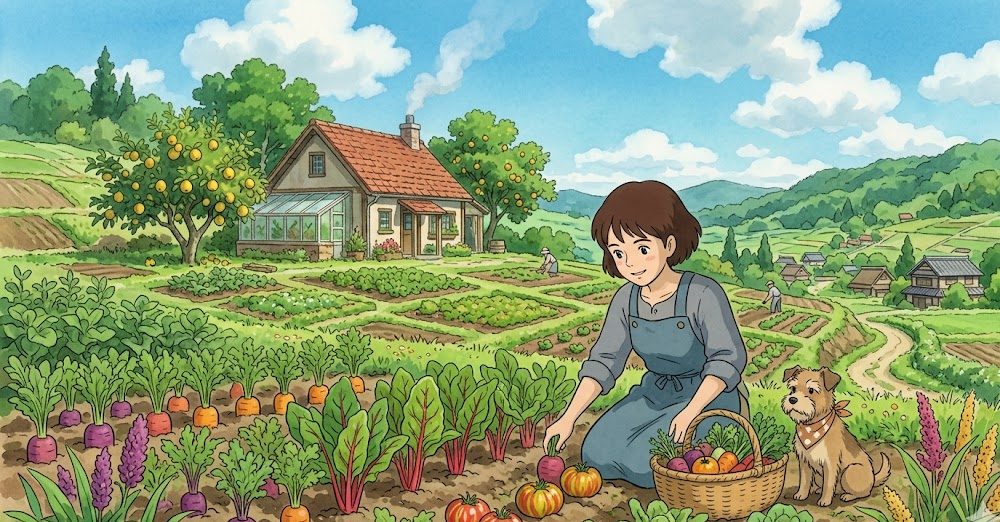
The global food system relies on a dangerously narrow foundation. Out of thousands of cultivated plant species throughout human history, just three crops—rice, wheat, and maize—now provide more than half of the world’s plant-based calories. While this intense specialization streamlined industrial supply chains, it left modern agriculture highly vulnerable to climate shifts, soil depletion, and market crashes. Today, a quiet revolution is taking root as forward-thinking growers look to the past to secure their financial future.
Enter forgotten crops—also known as underutilized, heritage, or orphan crops. These traditional grains, roots, and vegetables were sidelined by industrial farming because they didn’t fit into mechanized, heavy-chemical frameworks. However, as consumers demand climate-resilient, nutrient-dense foods, these resilient plants are staging a massive comeback. For small and mid-sized farmers, cultivating forgotten crops offers an exceptional opportunity to step out of low-margin commodity loops and enter highly profitable niche markets.
The Economics of Underutilized Crops
Why are traditional crops becoming highly lucrative assets for modern agribusiness? The shift comes down to climate adaptation, reduced operational overhead, and changing consumer behavior.
Traditional commodity crops require immense investments in synthetic fertilizers, chemical pesticides, and intensive irrigation to maintain high yields. As input inflation squeezes profit margins, farmers are looking for alternatives. Forgotten crops have spent centuries adapting naturally to specific microclimates, poor soils, and localized pest pressures. This built-in evolutionary resilience means your initial cost for chemical inputs drops significantly.
On the demand side, the modern consumer values biodiversity, heritage, and functional nutrition. Health-conscious urban demographics are actively seeking out ancient grains and traditional vegetables for their superior vitamin profiles and gluten-free traits. Because the supply of these specialty crops is limited, they consistently command a premium price at high-end supermarkets, organic boutique grocers, and farm-to-table restaurants.
High-Value Forgotten Crops to Diversify Your Farm
Choosing which heritage crop to cultivate depends heavily on your local soil profile, seasonal water access, and regional market access. Here are three major categories currently seeing a strong revival in premium food spaces.
+-----------------------------------------------------------------+
|                  PROFITABLE HERITAGE CATEGORIES                 |
+-----------------------------------------------------------------+
|  [Ancient Pseudograins] --> Amaranth, Foxtail Millet, Buckwheat |
|  [Resilient Tubers]     --> Cassava, Yam Bean, Taro             |
|  [Perennial Pods]       --> Cowpeas, Pigeon Peas, Bambara Groundnut|
+-----------------------------------------------------------------+
1. Climate-Smart Ancient Grains (Millets and Pseudograins)
As major agricultural zones face prolonged dry spells and falling water tables, traditional grains are becoming vital alternatives to thirsty crops like wheat and rice.
- Amaranth (Rajgira): This vibrant pseudograin was a staple of ancient civilizations. It is drought-resistant, thrives in poor soils, and produces highly nutritious, protein-rich seeds alongside edible green leaves. It is increasingly sought after by health brands for gluten-free flour blends.
- Finger Millet (Ragi) and Foxtail Millet: These small-seeded grains require minimal water and have a long storage life. The global market for millet-based snacks and organic breakfast foods is expanding rapidly, driving up wholesale farm-gate prices.
2. Hard-Working Heritage Legumes
Traditional pulses do more than just generate profit at market; they actively improve the environmental infrastructure of your farm.
- Bambara Groundnut: Native to arid regions, this legume produces underground pods similar to peanuts. It thrives in exhausted, sandy soils where other crops fail entirely.
- Pigeon Peas: A hardy perennial legume that acts as a natural windbreak. It yields high-protein peas while shedding deep organic leaf litter that builds up thin topsoil.
3. Nutrition-Dense Root Crops and Greens
Urban fine-dining restaurants and wellness markets are constantly searching for unique textures and visual variety.
- Moringa (The Drumstick Tree): While traditionally grown in tropical backyard gardens, commercial moringa cultivation has become highly profitable due to the global demand for moringa leaf powder, which is utilized as a premium health supplement.
- Purslane and Water Spinach: Once dismissed as common weeds, these fast-growing, mineral-rich greens are finding their way onto high-end culinary menus as premium salad ingredients.
Managing and Protecting Traditional Crops
Cultivating forgotten crops requires moving away from heavy industrial interventions and embracing ecological intelligence.
Building Soil Fertility via Natural Associations
Because heritage crops are highly efficient at scavenging nutrients from deep underground, they do not require heavy doses of synthetic nitrogen. In fact, over-fertilizing ancient grains often causes them to grow too tall and fall over before harvest.
Instead, pair your crops with natural soil builders. Utilizing low-till methods preserves the delicate underground mycorrhizal fungal networks that help these traditional varieties absorb tightly bound minerals naturally.
Integrating Biological Pest Control
Traditional crops naturally produce higher levels of phytochemicals—natural plant compounds that defend against foraging insects. To maintain this built-in immunity, avoid blanket chemical pesticide sprays, which can wipe out local beneficial predators. Integrate basic biodiversity strategies, such as leaving wild flowering borders around your plots to house predatory wasps, ladybugs, and lacewings that keep pest populations below damaging thresholds.
Post-Harvest Processing: Unlocking the Value Matrix
The true profit in forgotten crops farming is unlocked through smart post-harvest handling and value addition. Taking raw, unprocessed ancient grains straight to a standard wholesale market will limit your returns.
+------------------+       +-------------------+       +--------------------+
| Harvest Raw Crop | ----> |  Value-Added Step | ----> |   Premium Retail   |
| Amaranth, Millet |       | De-hulling, Milling|       | Branded Packaged   |
|  or Dry Pulses   |       |   or Leaf Powder  |       | Flour / Superfoods |
+------------------+       +-------------------+       +--------------------+
Investing in basic on-farm processing machinery—such as small-scale de-hullers, solar dryers, or micro-milling units—allows you to transform raw harvests into premium, consumer-ready ingredients. Packaging your crop as stone-ground ancient grain flour, pre-washed specialty pulses, or clean superfood powders allows your business to capture the maximum retail margin, bypassing multi-tiered wholesale distribution networks completely.
Marketing Strategies for Heritage Varieties
To command premium prices, you must educate your target audience. Traditional crops require a story-driven marketing strategy that highlights their environmental and health benefits.
| Target Market | Optimal Distribution Channel | Value Proposition to Highlight |
|---|---|---|
| Boutique Organic Grocers | Direct farm-gate supply contracts or specialized distributors. | Gluten-free, ancient heritage, clean cultivation without synthetic chemicals. |
| Boutique Cafes & Chefs | Direct-to-chef delivery app platforms or local farmers’ markets. | Unique visual presentation, distinct flavor profiles, local food security stories. |
| Direct-to-Consumer (D2C) | E-commerce shop subscriptions and social media storytelling. | Low carbon footprint, climate-resilient farming, high micronutrient densities. |
Conclusion: The Resilient Path Forward
Forgotten crops farming is more than a nostalgic nod to traditional agriculture; it is a highly strategic, forward-looking business model. As industrial monoculture faces rising environmental and economic pressures, diversifying your farm with heritage varieties provides a vital buffer.
By selecting climate-adapted traditional crops, optimizing their growth through natural ecological practices, and processing them into high-value consumer products, you can run a highly profitable farming business even on a limited land footprint. Reclaiming agricultural biodiversity allows modern growers to build a farming framework that is financially rewarding, ecologically sustainable, and highly resilient against changing global environments.