Introduction
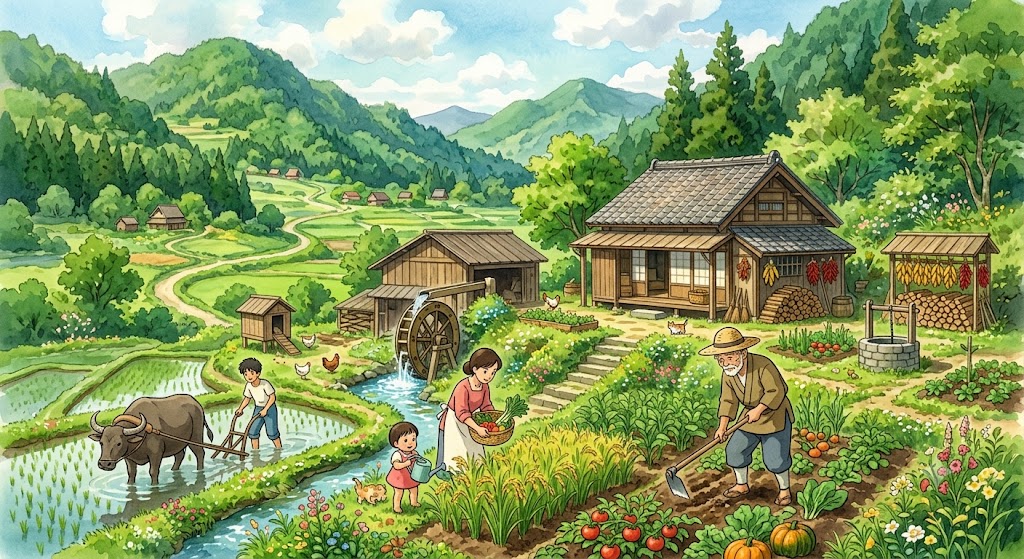
Survival farming, also known as subsistence farming, is one of the oldest forms of agriculture practiced by communities around the world. Unlike commercial farming, where crops are grown mainly for sale and profit, survival farming focuses on producing enough food to meet the daily needs of a family or local community. This farming system emphasizes self-sufficiency, resource conservation, and sustainable living.
Millions of small-scale farmers in developing countries continue to rely on survival farming as their primary source of food and livelihood. They grow a variety of crops, raise livestock, and use traditional farming techniques to ensure their families have access to nutritious food throughout the year. Although survival farming often operates on small plots of land, it plays a crucial role in reducing hunger, supporting rural communities, and preserving agricultural traditions.
Today, modern technologies, climate-smart agriculture, and improved farming practices are helping survival farmers increase productivity while protecting natural resources for future generations.
What is Survival Farming?
Survival farming is a type of agriculture where farmers produce crops and raise animals mainly for personal or family consumption rather than for commercial sale. Any surplus production may be sold or exchanged locally, but the primary objective is to provide food security.
Common activities in survival farming include:
- Growing food crops
- Raising chickens and goats
- Dairy farming
- Vegetable gardening
- Fruit cultivation
- Compost production
- Rainwater harvesting
- Seed saving
This farming system encourages families to become more independent and less dependent on external food supplies.
Importance of Survival Farming
Survival farming remains essential in many rural areas because it helps families meet their basic food needs while preserving local agricultural knowledge.
Its importance includes:
- Improves household food security
- Supports self-sufficiency
- Reduces food expenses
- Preserves traditional farming methods
- Provides nutrition for rural families
- Creates employment within households
- Encourages sustainable agriculture
During economic crises or natural disasters, survival farming can provide a reliable source of food.
Characteristics of Survival Farming
Several features distinguish survival farming from commercial agriculture.
These include:
Small Land Holdings
Most survival farms operate on relatively small pieces of land managed by family members.
Diverse Crop Production
Farmers grow multiple crops instead of relying on a single crop.
Examples include:
- Rice
- Wheat
- Maize
- Beans
- Vegetables
- Fruits
Crop diversity helps reduce production risks.
Family Labor
Family members perform most farming activities, reducing labor costs.
Limited Mechanization
Traditional tools and manual labor are commonly used due to limited financial resources.
Low External Inputs
Farmers often use:
- Organic manure
- Compost
- Saved seeds
- Natural pest control methods
These practices reduce dependence on expensive agricultural inputs.
Crops Commonly Grown in Survival Farming
The choice of crops depends on local climate, soil conditions, and dietary needs.
Common crops include:
- Rice
- Wheat
- Corn
- Millet
- Sorghum
- Potatoes
- Sweet potatoes
- Cassava
- Beans
- Lentils
- Tomatoes
- Spinach
Growing a variety of crops improves both nutrition and farm resilience.
Livestock in Survival Farming
Animals provide valuable resources for farming families.
Common livestock includes:
- Chickens
- Goats
- Sheep
- Cows
- Buffaloes
- Ducks
Livestock provide:
- Milk
- Meat
- Eggs
- Organic manure
- Additional household income
They also contribute to integrated farming systems.
Sustainable Practices in Survival Farming
Many survival farmers naturally follow environmentally friendly farming methods.
Popular practices include:
Crop Rotation
Rotating crops improves soil fertility and reduces pest problems.
Composting
Organic waste is converted into nutrient-rich compost for crop production.
Rainwater Harvesting
Collected rainwater supports irrigation during dry periods.
Agroforestry
Trees planted alongside crops provide shade, improve soil quality, and support biodiversity.
Seed Saving
Farmers preserve seeds from healthy plants for future planting seasons.
This practice reduces production costs and protects local crop varieties.
Modern Technology Supporting Survival Farming
Technology is helping improve productivity even on small farms.
Artificial Intelligence (AI)
AI-powered applications provide farmers with recommendations on crop management, weather forecasting, and pest identification.
Mobile Agriculture Apps
Farmers use mobile applications to access:
- Weather updates
- Farming advice
- Market information
- Disease management
Smart Irrigation
Drip irrigation and moisture sensors help conserve water while improving crop yields.
Improved Seed Varieties
Research institutions continue developing crop varieties with:
- Higher yields
- Disease resistance
- Drought tolerance
- Better nutritional quality
These innovations strengthen food security.
Benefits of Survival Farming
Household Food Security
Families produce much of their own food, reducing dependence on markets.
Lower Living Costs
Growing food at home decreases grocery expenses.
Nutritional Diversity
Mixed farming systems provide cereals, vegetables, fruits, milk, eggs, and meat.
Environmental Conservation
Organic farming practices protect soil, water, and biodiversity.
Community Resilience
Local food production strengthens communities during economic or environmental challenges.
Challenges of Survival Farming
Despite its importance, survival farming faces several obstacles.
Climate Change
Droughts, floods, and changing weather patterns affect crop production.
Limited Resources
Many farmers lack access to modern equipment and irrigation systems.
Poor Market Access
Remote communities often face transportation and marketing difficulties.
Small Farm Size
Limited land restricts production capacity.
Financial Constraints
Many survival farmers have limited access to agricultural credit and investment.
Best Practices for Successful Survival Farming
Farmers can improve productivity by following these recommendations:
- Practice crop rotation.
- Use organic compost regularly.
- Harvest rainwater for irrigation.
- Plant drought-resistant crop varieties.
- Raise small livestock for additional nutrition.
- Protect soil using mulch and cover crops.
- Store seeds properly for future planting.
- Monitor crops regularly for pests and diseases.
- Learn modern farming techniques through agricultural extension programs.
- Diversify crops to reduce production risks.
Future of Survival Farming
Survival farming is expected to remain an essential part of global agriculture, especially in regions where small-scale farming supports household food security. Governments, research organizations, and agricultural experts are working to improve productivity through climate-smart farming, better irrigation systems, improved seeds, renewable energy, and digital farming technologies.
Future innovations such as AI-powered advisory services, solar-powered irrigation, mobile-based crop monitoring, and affordable precision farming tools will help small farmers produce more food while protecting natural resources.
By combining traditional agricultural knowledge with modern innovations, survival farming can continue supporting millions of families while adapting to changing environmental and economic conditions.
Conclusion
Survival farming is more than a traditional agricultural practice—it is a vital system that provides food, income, and security for millions of households around the world. By focusing on self-sufficiency, crop diversity, livestock integration, and sustainable resource management, survival farming helps families meet their basic needs while preserving the environment.
Although challenges such as climate change, limited resources, and small landholdings remain significant, modern technologies and improved farming practices are creating new opportunities for growth. As sustainable agriculture continues to evolve, survival farming will remain an important pillar of food security, rural development, and resilient communities across the globe.