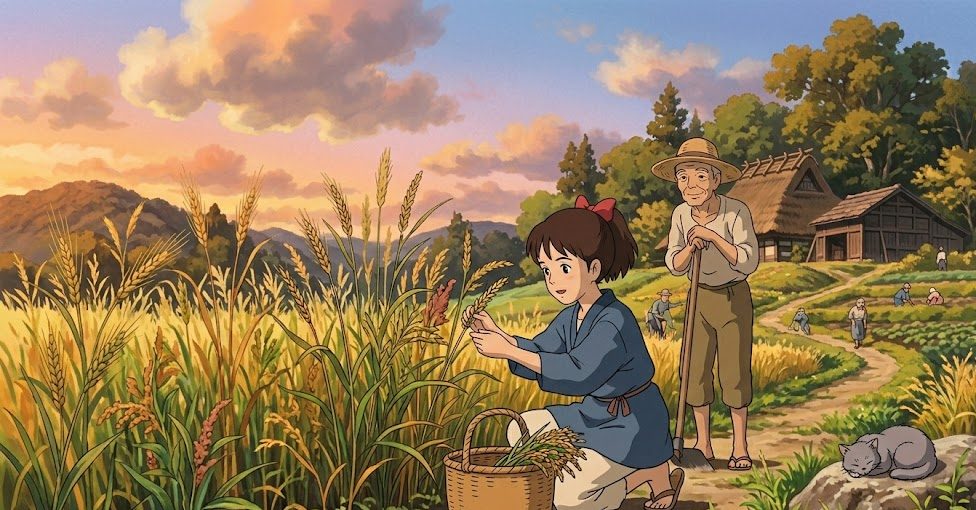
The modern agricultural landscape is at a critical crossroads. For decades, global food systems have relied heavily on a narrow selection of high-yielding, heavily cross-bred staple crops like industrial wheat, corn, and rice. While this intensive monoculture approach successfully boosted caloric production during the Green Revolution, it came with hidden costs: a dramatic loss of agricultural biodiversity, depleted soil health, and heightened vulnerability to climate change (Mattioni, n.d.).
Today, a quiet revolution is taking place in fields across the globe. Forward-thinking farmers, chefs, and health-conscious consumers are looking backward to move forward. The revival of ancient grains and heritage crops is rapidly transitioning from a niche culinary interest into one of the most significant macro-trends in modern agriculture (Mattioni, n.d.). But what exactly are these forgotten crops, and why is their return so vital for our collective future?
Understanding Ancient Grains and Heritage Crops
To understand why heritage crops are making such a massive comeback, it helps to define what they are—and what they are not.
What are Ancient Grains?
Unlike modern commercial wheat, which has been intensively hybridized and genetically selected over the decades for uniformity, easy mechanical harvesting, and high gluten content, ancient grains have remained largely unchanged for thousands of years (Aweya et al., 2025; Mattioni, n.d.). They are the primitive grains and pseudocereals that fueled early human civilizations (Aweya et al., 2025).
Popular examples include:
- Einkorn, Emmer, and Spelt: The foundational, unbred ancestors of modern wheat (Aweya et al., 2025; Mattioni, n.d.).
- Pseudocereals: Broadleaf plants like quinoa, amaranth, and buckwheat that are cooked and consumed just like cereal grains (Sharma et al., n.d.).
- Resilient Staples: Millet, sorghum, fonio, and teff—crops that have sustained populations across Africa and Asia for millennia under challenging environmental conditions (Aweya et al., 2025).
What are Heritage Crops?
Heritage (or heirloom) crops refer to open-pollinated plant varieties that were grown before the industrialization of agriculture. These seeds are typically passed down through generations within specific geographic regions, adapting naturally to the local climate, soil chemistry, and pest pressures over centuries (Mattioni, n.d.).
The Core Drivers Behind the Heritage Agriculture Resurgence
The sudden surge in planting heritage crops isn’t just about food nostalgia. It is driven by an intersection of environmental necessity, consumer demand for functional nutrition, and economic opportunity.
                  ┌─────────────────────────────────────┐
                  │  THE ANCIENT GRAIN RESURGENCE       │
                  └──────────────────┬──────────────────┘
                                     │
         ┌───────────────────────────┼───────────────────────────┐
         ▼                           ▼                           ▼
┌─────────────────┐         ┌─────────────────┐         ┌─────────────────┐
│ CLIMATE IMPACT  │         │ NUTRITIONAL GAP │         │ FARMER AUTONOMY │
│ Resistant to    │         │ High in fiber,  │         │ Open-pollinated │
│ drought & pests │         │ protein, and    │         │ seeds lower     │
│ (Majzoobi et    │         │ antioxidants    │         │ input costs     │
│ al., 2023)      │         │ (Aweya, 2025)   │         │ (Mattioni, n.d.)│
└─────────────────┘         └─────────────────┘         └─────────────────┘
1. Climate Resilience and Environmental Hardiness
One of the most pressing reasons agricultural systems are embracing ancient grains is their natural ability to tolerate climate volatility. Modern hyper-specialized crop varieties thrive only under optimal conditions, requiring heavy inputs of synthetic fertilizers, chemical pesticides, and intensive irrigation.
In contrast, ancient grains possess a remarkably robust genetic architecture (Aweya et al., 2025; Majzoobi et al., 2023). Because they have not had their natural defenses bred out of them, crops like sorghum and millet possess deep root systems that make them incredibly drought-resistant (Majzoobi et al., 2023; Mohanan et al., 2025). They can thrive in marginal lands, poor soils, and arid regions where modern industrial wheat or corn would fail entirely (Majzoobi et al., 2023; Sharma et al., n.d.). This makes them cornerstones for climate-smart agriculture and regional food security as weather patterns grow increasingly unpredictable (Majzoobi et al., 2023; Mattioni, n.d.).
2. Superior Nutritional Profiles
From a consumer perspective, health and wellness are the primary drivers of the ancient grain market. Industrial processing of modern white flour strips away the bran and germ, leaving behind easily digestible starches that can spike blood sugar.
Ancient grains are almost universally consumed in their whole, minimally processed forms, preserving their complex inner architecture (Aweya et al., 2025). They generally offer:
- Higher Protein Density: Grains like amaranth and quinoa provide complete proteins, containing all nine essential amino acids (Sharma et al., n.d.).
- Rich Bioactive Compounds: They are packed with dietary fiber, essential minerals (like iron and magnesium), vitamins, and a broad spectrum of health-promoting antioxidants, phenolic acids, and flavonoids (Aweya et al., 2025).
- Digestibility Benefits: While ancient wheat varieties like spelt and einkorn do contain gluten, their gluten structure is molecularly different from modern wheat (Aweya et al., 2025; Mattioni, n.d.). Many individuals who experience mild digestive discomfort from highly processed modern wheat find that heritage varieties are significantly easier to digest. Furthermore, pseudocereals and millets are naturally 100% gluten-free (Aweya et al., 2025; Gowthami et al., 2026).
3. Restoring Agricultural Biodiversity and Soil Health
Relying on just three or four monolithic crops creates a dangerous ecological bottleneck (Sharma et al., n.d.). If a fast-mutating plant disease or specialized pest sweeps through a global monoculture monocrop, it threatens the global food supply chain.
Integrating heritage crops back into regional crop rotations dramatically disrupts pest cycles and naturally suppresses weed growth without requiring chemical interventions (Aweya et al., 2025). Furthermore, because ancient grains generally require fewer chemical fertilizers, their cultivation prevents nutrient runoff and avoids the long-term soil acidification associated with intense industrial farming (Mohanan et al., 2025; Zamaratskaia et al., 2021).
Agronomic and Financial Benefits for Farmers
For farmers, shifting a portion of their acreage to heritage grains is an increasingly savvy business move.
Lower Input Costs
Modern commercial farming is an expensive endeavor characterized by razor-thin profit margins due to the soaring costs of synthetic fertilizers, specialized chemical pesticides, and proprietary, single-use seeds. Heritage grains require significantly fewer chemical inputs (Mohanan et al., 2025; Zamaratskaia et al., 2021). Because many of these crops naturally resist local pests and adapt to low-fertility soils, farmers can sharply lower their upfront overhead costs (Aweya et al., 2025; Majzoobi et al., 2023).
Reclaiming Seed Sovereignty
When cultivating proprietary, genetically modified seeds, farmers are legally restricted from saving seeds after a harvest, forcing them to purchase a fresh batch from multinational corporations every single year (Mattioni, n.d.). Heritage crops are open-pollinated. This allows farmers to harvest, store, and replant their own seeds year after year, building a localized seed stock that grows stronger and more acclimated to their specific farm environment over time (Mattioni, n.d.).
Capturing Premium Specialty Markets
Commodity crops like conventional corn and soybeans are subject to volatile global market pricing, often leaving small-to-medium-scale farmers struggling to break even. Ancient grains and heritage crops command premium prices in the marketplace. Consumers, boutique bakeries, artisanal breweries, and natural food brands are more than willing to pay a premium for high-quality, sustainably grown heritage ingredients, allowing farmers to capture much higher profit margins per acre.
| Grain Variety | Primary Origin | Key Agronomic Advantage | Main Nutritional Highlights |
| Einkorn | Fertile Crescent | Thrives in poor, rocky soils; highly pest-resistant (Aweya et al., 2025). | Rich in lutein (antioxidants), high protein, simple gluten structure. |
| Amaranth | Mesoamerica | Extreme heat tolerance; low water requirement (Aweya et al., 2025). | Complete protein source; exceptionally high in iron and lysine (Aweya et al., 2025). |
| Millet | Africa / Asia | Exceptional drought resilience; ultra-low carbon footprint (Mohanan et al., 2025). | Completely gluten-free, low glycemic index, high dietary fiber (Aweya et al., 2025). |
| Sorghum | Sub-Saharan Africa | Highly efficient water utilization; versatile crop (Aweya et al., 2025). | High concentration of phytochemicals and anti-inflammatory compounds (Aweya et al., 2025). |
Challenges to Widespread Adoption
While the momentum behind the heritage crop movement is undeniable, reviving ancient agricultural systems isn’t without its hurdles.
Processing and Infrastructure Bottlenecks
Over the last century, industrial agricultural infrastructure has been engineered exclusively for uniform, hull-less commercial grains. Many ancient wheat varieties (like emmer and einkorn) and smaller grains (like teff or fonio) possess a tough, protective outer hull that requires specialized dehulling machinery before human consumption (Mattioni, n.d.). For many local agricultural communities, access to specialized regional processing mills is a significant logistical bottleneck (Majumdar et al., 2026).
Lower Raw Yields Compared to Modern Hybrids
By design, modern hybrid grains have been selectively bred to maximize sheer volume per acre under heavily fertilized conditions. Ancient grains naturally produce lower raw yields per acre than industrial crops (Mattioni, n.d.). However, advocates argue that this lower volume is offset by their lower input costs, higher market value, and superior resilience during years of drought or extreme weather when conventional crops fail completely (Aweya et al., 2025; Majzoobi et al., 2023).
Frequently Asked Questions (FAQs)
Are ancient grains genetically modified (GMO)?
No. By definition, ancient grains are primitive crops that have remained genetically unchanged by modern scientific breeding, artificial selection, or laboratory genetic modification for thousands of years (Aweya et al., 2025; Mattioni, n.d.).
Can people with Celiac disease eat heritage crops?
It depends entirely on the crop. Pseudocereals (quinoa, amaranth, buckwheat) and true millets are 100% naturally gluten-free and perfectly safe for individuals with Celiac disease (Aweya et al., 2025; Gowthami et al., 2026). However, ancient wheat varieties like einkorn, emmer, farro, and spelt do contain gluten and are not safe for those with Celiac disease, even though their gluten structure is often better tolerated by individuals with non-celiac gluten sensitivities (Aweya et al., 2025; Mattioni, n.d.).
How do ancient grains benefit the environment?
They require substantially less water, can grow without synthetic chemical inputs, and possess natural resistance to pests and diseases (Aweya et al., 2025; Majzoobi et al., 2023). Integrating them into farming systems builds agricultural biodiversity, revitalizes degraded soils, and dramatically reduces the carbon and chemical footprint of modern agriculture (Aweya et al., 2025; Mohanan et al., 2025).
Conclusion: The Path Forward for Heritage Agriculture
The return of ancient grains and heritage crops is far more than a passing foodie fad; it represents a profound and necessary structural shift toward a balanced, ecological approach to feeding our planet (Aweya et al., 2025; Sharma et al., n.d.). By reintroducing these time-tested, genetically diverse crops into our agricultural rotation, we create a food system that can withstand climate disruption, lower the chemical load on our environment, and provide clean, nutrient-dense food to global communities (Aweya et al., 2025; Majzoobi et al., 2023).
As we look toward building a secure food supply, the key to a sustainable agricultural future may very well lie hidden within the wisdom of our ancient past (Aweya et al., 2025). Supporting local heritage growers and integrating these diverse grains into our everyday kitchens is a powerful way to vote for a healthier planet with every single bite.