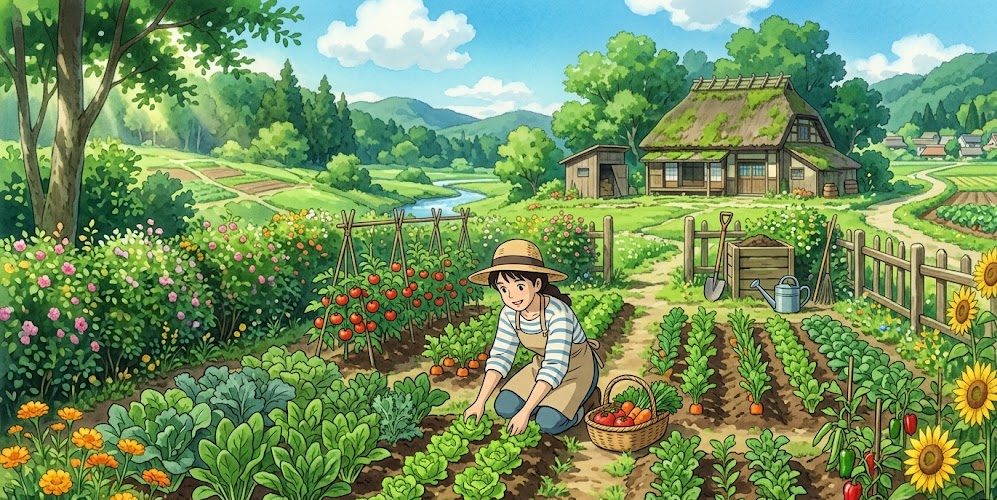
The dream of farming is often associated with vast, rolling acres of wheat or hundreds of cows grazing on a distant horizon. But for many aspiring entrepreneurs, land is expensive, and time is limited. Enter “Micro Farming”—a revolutionary agricultural movement that proves you don’t need a massive estate to generate a substantial income. In fact, many of the most successful small-scale farmers are thriving on plots of land less than one acre in size.
Micro farming is about intensity, efficiency, and market intelligence. It turns traditional farming on its head by prioritizing high-value, fast-turning crops and direct-to-consumer sales. If you have a backyard, a vacant city lot, or even a modest piece of rural land, you have the potential to build a highly profitable agricultural business.
1. The Philosophy of Micro Farming: Think Like a Business
To earn a living on a small plot, you must abandon the “commodity” mindset. Commodity farmers (who grow corn, soy, or wheat) survive on massive scale and thin margins. A micro farmer, however, thrives on niche margins.
Why Small is Better
- Lower Overhead: You don’t need expensive, heavy machinery. A walk-behind tiller, basic hand tools, and a reliable irrigation system are often all you need.
- High Turnover: By focusing on fast-growing crops, you can harvest multiple times in a single season.
- Customer Connection: When you are small, you can tell the story of your food. People aren’t just buying your produce; they are buying the labor, the quality, and the local connection.
2. Choosing Your “Cash Crops”
On an acre or less, you cannot waste space on low-value crops. You need to identify plants that have a high “price-per-square-foot” ratio.
The Profit Leaders:
- Microgreens: The absolute king of micro farming. These can be grown in trays, harvested in 7–14 days, and sell at a premium to high-end restaurants and health-conscious customers.
- Gourmet Herbs: Fresh basil, cilantro, parsley, and thyme. These are lightweight, high-demand, and offer multiple cuttings throughout the season.
- Specialty Salad Greens: Think beyond iceberg lettuce. Gourmet mixes, arugula, and spicy mustard greens fetch much higher prices at local markets.
- Heirloom Tomatoes and Peppers: By growing unique varieties that aren’t found in supermarkets, you differentiate your product and command higher prices.
3. Designing for Intensity: The Bio-Intensive Method
The success of a micro farm relies on the Bio-Intensive method. This involves cultivating the soil to an extreme degree of fertility and spacing plants closer together than traditional manuals recommend.
Soil is Your Capital
In a micro farm, your soil is your factory. You must feed the soil, not just the plant.
- Compost is Key: Import high-quality, organic compost to boost soil life.
- Permanent Beds: Avoid walking on your growing beds. Establish permanent, narrow beds (usually 30 inches wide) to prevent compaction. This allows roots to penetrate deeper and plants to grow closer together.
- Succession Planting: Never let a bed sit empty. The moment you harvest a crop, transplant or seed the next one immediately. This is how you maximize your annual production per square foot.
4. Vertical Integration: Farming the Air
If you are limited by square footage on the ground, grow upwards. Vertical farming is a pillar of the micro-farming movement.
- Trellising: Use vertical supports for tomatoes, cucumbers, and even pole beans. This keeps the ground clear for leafy greens and makes harvesting significantly easier.
- Tiered Shelving: For crops like microgreens or mushrooms, you can stack trays on shelving units. This effectively multiplies your “acreage” by three or four times without needing more land.
5. Marketing: The Secret to High Profits
A farm is only as profitable as its ability to sell. On a small plot, you want to keep the “middleman” out of the equation.
Sell Direct
- Farmers’ Markets: This is where you meet your most loyal customers and learn what people want.
- Subscription Models (CSA): Start a Community Supported Agriculture program. You sell “shares” of your harvest upfront, which provides you with the cash needed for seeds and supplies at the start of the season.
- Restaurant Partnerships: Chefs love quality, local, and consistent produce. If you can provide a reliable supply of fresh, high-quality herbs or greens, a chef will become your most consistent customer.
6. Keeping Costs Low and Efficiency High
Micro farming shouldn’t become a “money pit.” Keep your business lean:
- DIY Everything: Build your own seed-starting trays, trellises, and compost bins.
- Automate Irrigation: Drip irrigation is essential. It prevents water waste and keeps the foliage dry, which reduces disease pressure. It’s a one-time investment that saves you hours of labor every week.
- Record Every Penny: Treat your micro farm like a business. Track every seed packet and hour of labor. If a certain crop doesn’t perform well, drop it and try something else.
Frequently Asked Questions (FAQs)
Q: Can I really earn a full-time income on less than one acre? A: Yes, but it requires extreme discipline. It is common for successful intensive micro farmers to generate $50,000–$100,000 in gross annual revenue from just a quarter to half an acre. However, this level of income depends on your market access and efficiency.
Q: What is the biggest challenge for a beginner? A: The most difficult part is usually the “planning phase”—knowing exactly when to plant each crop so that you don’t have a glut of produce one week and nothing the next. Keeping a consistent harvest is the secret to keeping your customers happy.
Q: Do I need to be certified organic? A: You don’t necessarily need the expensive certification right away, but you must follow organic principles. Micro farming relies on building healthy soil; synthetic chemicals will destroy the soil life that makes this method work.
Q: Is it seasonal? How do I make money in the winter? A: Many micro farmers use simple hoop houses (low-cost greenhouses) to extend the season into the cold months. Crops like kale, spinach, and carrots can be harvested well into winter in many climates.
Conclusion
Micro farming represents a move toward sanity in a complex world. It is the practice of working with nature rather than against it, and using human ingenuity to maximize the productivity of a small space. You don’t need a tractor, and you don’t need a thousand acres. All you need is a patch of earth, a bit of planning, and a willingness to learn.
By focusing on high-value crops, intensive soil management, and a direct relationship with your community, you can turn a small plot of land into a reliable, rewarding, and profitable business. Stop waiting for “more land” and start farming what you have—the profit is waiting right under your feet.