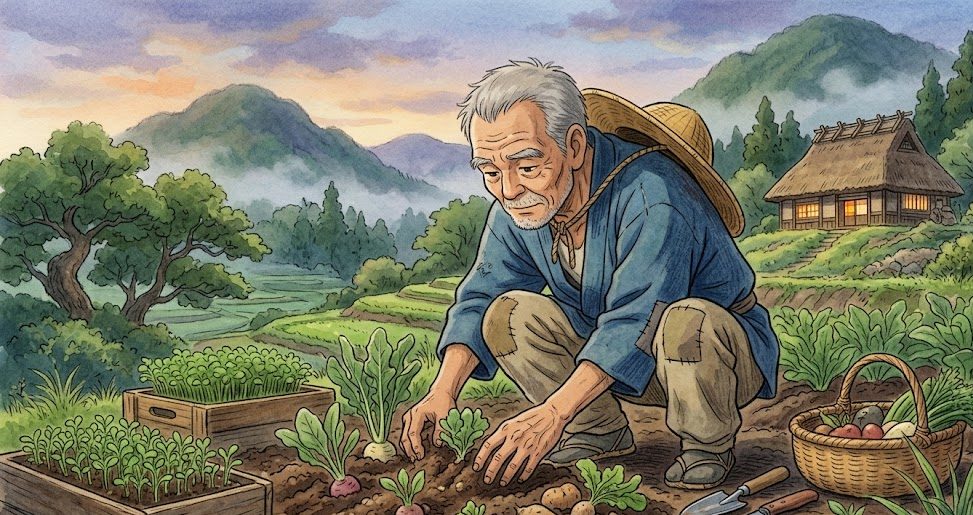
In an era of industrial agriculture, many of us have lost touch with the fundamental resilience of food production. As global food systems face increasing pressure from climate change and economic instability, a “back to basics” approach is becoming more than just a trend—it is a necessity.
By mastering micro-farming, survival agriculture, and the cultivation of “forgotten” crops, you can transform your land into a self-sufficient, high-yield sanctuary. Here is how you can implement these strategies to ensure food security and maximize your farm’s potential.
1. Micro-Farming: Efficiency in Small Spaces
Micro-farming is the art of intensive production on a small scale. Whether you have a suburban backyard, a rooftop, or a small plot, you can achieve remarkable output by utilizing specialized technology and ecological principles.
- Vertical & Container Growing: Utilize every inch of your space. Hydroponics, trellising, and raised beds allow you to stack production vertically, increasing your yield per square foot.
- Systems Thinking: Micro-farming isn’t just about planting; it’s about a cycle. Integrate composting to turn kitchen scraps into soil nutrients, and use rain barrels for irrigation.
- High-Value Crops: Focus on crops that provide high profit margins or fast turnarounds, such as gourmet mushrooms, microgreens, or artisanal flowers, which are perfect for local farmer’s markets.
2. Survival Farming: Building Resilient Systems
Survival farming is about capacity and continuity. It is the ability of your farm to remain operational and viable regardless of external market conditions.
- Diversification: Never rely on a single crop. A survivalist mindset requires a “portfolio” of plants—root vegetables for calories, legumes for nitrogen and protein, and medicinal herbs for wellness.
- Resource Management: Resilience comes from being your own provider. This means saving your own seeds, preserving harvests through drying or canning, and maintaining a closed-loop system where waste becomes an input for the next cycle.
- Low-Intensity Maintenance: Focus on methods that prioritize soil health and long-term viability over quick-fix chemical interventions, ensuring your land remains fertile for decades.
3. The “Forgotten Crop” Revolution
For centuries, farmers cultivated thousands of species, yet modern industrial agriculture focuses on a handful of crops like corn, wheat, and soy. “Forgotten” or “orphan” crops—such as finger millet, amaranth, teff, and various heirloom legumes—are the secret to a resilient future.
- Climate Resilience: Many forgotten crops are naturally drought-tolerant and pest-resistant. They have evolved over millennia to thrive in marginal soils and harsh climates.
- Nutritional Density: These crops are often packed with more protein, iron, and fiber than mainstream alternatives. By growing them, you aren’t just farming; you are providing superior nutrition.
- Preserving Biodiversity: By reintroducing these varieties, you help prevent genetic erosion and maintain the biodiversity that our global food system desperately needs.
4. Why This Approach is AdSense Gold
For digital publishers, content centered on sustainable and unique farming methods is highly valuable. Google AdSense rewards “unique, original, and relevant content.” By blending practical “how-to” guides with the story of these resilient, forgotten plants, you create content that keeps readers engaged.
Tips for Monetizing Your Farming Blog:
- Detailed Guides: Create step-by-step tutorials on starting a micro-farm or building a survival garden. Google prioritizes pages that answer specific user questions.
- Visual Engagement: Use high-quality, original photos of your plants. Avoid stock images. Personal, authentic imagery builds trust, which increases dwell time—a major signal for AdSense success.
- Structured Data: Use clear headings (H2, H3), bullet points, and tables to make your articles scannable.
- Community Interaction: Add a comment section to allow readers to share their own “forgotten crop” success stories. User-generated content and discussions often lead to better SEO performance.
Conclusion: Planting for the Future
Returning to the basics of farming is not a step backward; it is a step toward a more secure and sustainable future. By integrating the efficiency of micro-farming, the resilience of survival agriculture, and the nutritional power of forgotten crops, you create a system that can withstand the challenges of tomorrow.
Start small, observe your land, and let nature guide your production. Your farm is not just a place to grow food; it is an investment in your independence and the health of your community.