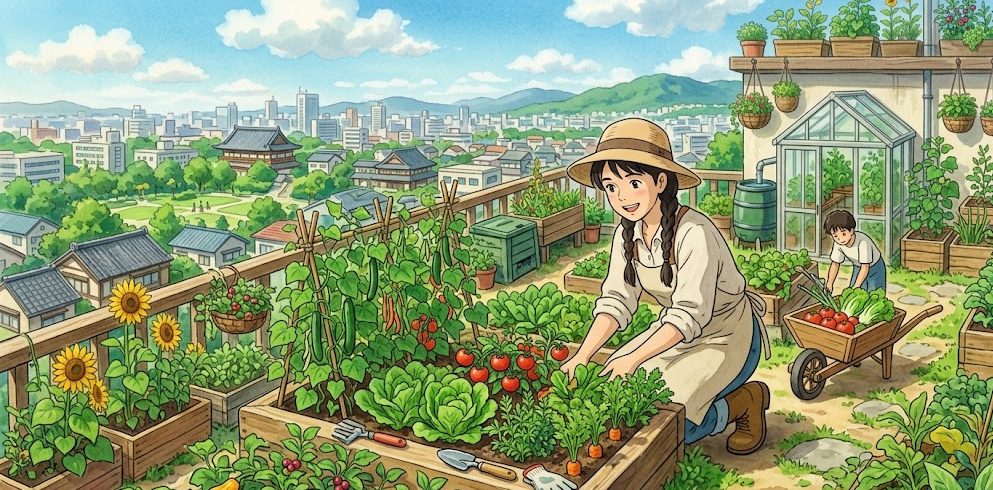
For generations, the word “farming” has brought to mind images of vast rural landscapes, miles of open fields, and heavy, multi-million dollar machinery. While large-scale agriculture is vital for mass grain production, it is no longer the only way to grow food. As cities expand and land prices climb, a quiet agricultural shift is taking place right inside our neighborhoods.
Welcome to the world of highly productive micro farming and urban agriculture.
Micro farming is the practice of growing high-value crops on small pockets of land, usually under a few acres, and often right in the middle of urban or suburban environments. Whether you have a small backyard, a sunny balcony, a concrete patio, or even a spare indoor room, you can run a thriving agricultural operation. By focusing on high-density planting techniques and choosing the right crops, micro farming allows you to harvest an incredible amount of fresh, organic produce while saving resources.
In this beginner-friendly guide, we will look at practical, real-world strategies to transform small city spaces into highly efficient, profitable micro farms.
What Makes Micro Farming So Successful?
The secret to micro farming isn’t about how much land you own; it’s about how wisely you use every square inch. Traditional farming treats fields uniformly, which often wastes water, space, and fertilizer. In contrast, urban micro farming relies on precision. Because you are managing a small area, you can pay close attention to soil health, keep pests under control immediately, and ensure your plants receive the perfect amount of water.
By choosing high-yielding, fast-growing crops and utilizing vertical spaces, a micro farm can actually produce more food per square foot than a traditional tractor-managed field. This intensive approach lowers your overhead costs while providing local communities with ultra-fresh, sustainably grown food.
1. Choosing High-Value, Compact Crops
When space is your main limitation, you cannot afford to plant crops that take six months to mature or require massive row spacing. You need plants that grow quickly, take up minimal physical space, and offer a high financial or nutritional return.
Microgreens and Salad Leafy Greens
Leafy greens are the undisputed champions of urban agriculture. Crops like specialized butterhead lettuce, spinach, kale, and arugula have shallow root systems, making them perfect for shallow containers or raised beds.
- Fast Turnaround: Many salad greens are ready to harvest in less than 30 to 40 days.
- Continuous Harvests: Using a “cut-and-come-again” method, you can snip the outer leaves for dinner, and the plant will keep growing fresh leaves for multiple harvests.
Gourmet Mushrooms
Mushrooms are incredibly unique because they do not require open fields, topsoil, or even direct sunlight. Varieties like Oyster and Lion’s Mane grow beautifully indoors on vertical shelves using bags of pasteurized sawdust or straw. Because they grow upward rather than outward, a small indoor closet or automated grow tent can yield dozens of pounds of premium culinary mushrooms every week.
High-Yielding Bush Varieties
If you want to grow classic summer vegetables like tomatoes, cucumbers, or peppers, look for certified “bush” or “determinate” varieties. These plants are specifically bred to stay compact and tidy without sacrificing their final yield size, making them ideal for backyard pots and balcony containers.
2. Maximizing Vertical and Intensive Growing Spaces
If you cannot expand your farm’s borders horizontally, the only logical direction to go is up. Vertical farming is a cornerstone of modern urban agriculture.
+-------------------+---------------------------------------------------+
| Vertical Method   | Real-World Practical Application                  |
+-------------------+---------------------------------------------------+
| Trellis Systems   | Growing climbing peas, beans, and small squash.   |
| Stacked Shelving  | Using LED grow lights indoors for microgreens.    |
| Wall Planters     | Transforming bare concrete fences into herb zones.|
+-------------------+---------------------------------------------------+
Utilizing Trellises and Support Arbors
Climbing plants like pole beans, sugar snap peas, passionfruit, and vining cucumbers love to climb. Installing sturdy wooden or wire trellises allows these plants to grow straight up toward the sun. This keeps your walking paths clear and frees up valuable floor space below them to plant shade-loving crops like radishes or lettuce.
Vertical Hydroponic Towers
For urban areas with poor soil quality or concrete yards, vertical hydroponic towers are a game-changer. These systems use water mixed with natural mineral nutrients instead of traditional dirt. The plants sit in pockets along a vertical column, and the water recirculates from a base reservoir. This setup allows you to grow dozens of plants in a footprint no larger than a standard doormat while saving up to 90% more water than traditional gardening.
3. Building Living Soil for Intensive Planting
Because a micro farm packs many plants closely together, your soil needs to be incredibly rich in nutrients. In highly productive systems, growers rely on a method called Biointensive Farming.
The Power of Compost
Instead of buying chemical fertilizers that wash away easily, focus on building dark, sponge-like soil using rich organic compost. Mixing well-rotted compost, earthworm castings, and organic matter into your beds improves the soil’s structure, allowing it to hold onto water beautifully while feeding beneficial microorganisms.
Deep Raised Beds
Creating raised beds that are 12 to 18 inches deep allows plant roots to grow straight down rather than spreading out horizontally. Because the roots aren’t competing with each other for side space, you can plant your crops much closer together than traditional farming guides recommend. This close spacing creates a living canopy of leaves that naturally shades the ground, keeping the soil cool and stopping weeds from sprouting.
4. Securing Your Local Urban Market
An incredible advantage of urban agriculture is that you are already living right next to your customers. There are no expensive shipping costs or long distributor chains.
- Partner with Neighborhood Cafes: Independent local chefs are always eager to buy ultra-fresh, sustainably grown herbs, microgreens, and gourmet mushrooms. Bring them a clean, beautiful sample basket and offer a dependable weekly delivery.
- Launch a Micro-CSA: A Community Supported Agriculture program allows neighbors to subscribe to a weekly or bi-weekly “veggie box.” They pay you upfront at the start of the season, providing you with immediate working capital, and receive a basket of your freshest seasonal harvests every week.
Conclusion
Highly productive micro farming proves that you do not need a multi-million dollar countryside estate to participate in the modern agricultural movement. By selecting compact, fast-growing crops, embracing vertical trellises, and focusing heavily on rich, organic soil health, you can turn any small urban space into an abundant oasis. Start small with a few containers or a single raised bed, master your local micro-climate, and watch your urban farm flourish.
Frequently Asked Questions (FAQs)
1. How much food can a micro farm actually produce?
It depends heavily on your crop choices and setup, but an intensively managed 1/4-acre micro farm can produce thousands of pounds of fresh produce annually. Using vertical racks for microgreens or indoor mushrooms can multiply those yields even further without adding land.
2. Is city tap water safe for urban agriculture?
Yes, generally tap water is perfectly safe for standard vegetable beds. However, if your city water contains high levels of chlorine or chloramine, it can sometimes disrupt beneficial soil microbes. Letting your watering cans sit open in the sun for 24 hours before watering allows the chlorine to dissipate naturally.
3. What are the best crops for a shady urban balcony?
If your urban space gets less than 4 hours of direct sunlight daily, avoid sun-loving fruits like tomatoes and peppers. Instead, focus on leafy greens (lettuce, spinach, kale), root vegetables (radishes, small carrots), and culinary herbs like mint, chives, and parsley, which naturally tolerate partial shade.
4. How do you control pests on an urban micro farm without chemicals?
Urban farms can easily manage pests naturally using physical barriers like lightweight insect netting over beds. Additionally, companion planting—like planting strongly scented marigolds or garlic alongside your vegetables—naturally repels harmful insects while attracting helpful predators like ladybugs.
5. Can I make a real profit from micro farming as a side business?
Absolutely. Many successful micro farmers start their operations as a weekend or evening project. High-margin, fast-turnaround niche items like microgreens, culinary herbs, and gourmet mushrooms are highly profitable on a small scale and require only a few hours of routine daily care.