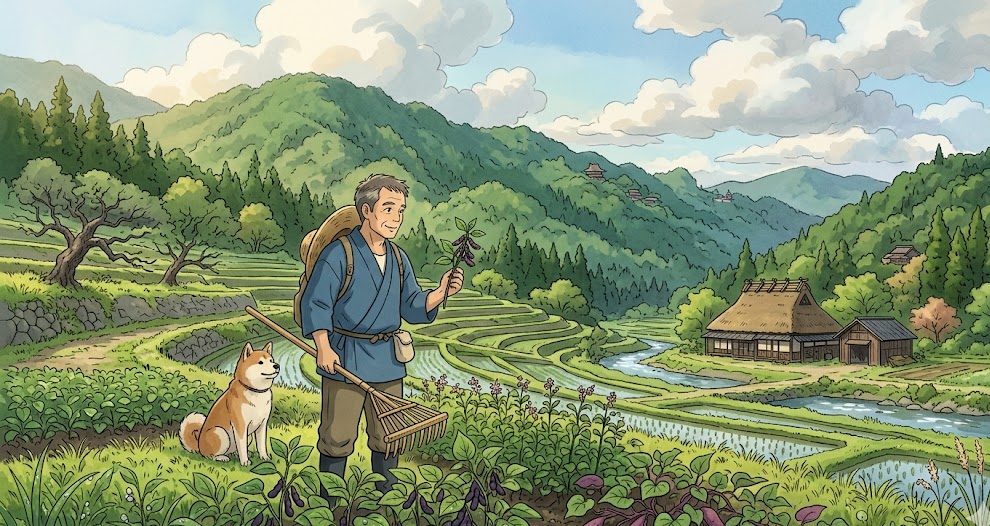
In recent years, the agricultural world has been swept up in a wave of high-tech trends. From exotic greenhouse vegetables to hydroponic vertical farms growing rare berries, exotic agriculture dominates the headlines. However, amidst all the excitement over niche crops, a crucial truth is often forgotten: traditional crops form the backbone of global food security.
Crops like wheat, maize, rice, potatoes, pulses, and oilseeds have sustained humanity for millennia. While exotic crops offer high margins per square foot, they also come with fragile supply chains, volatile consumer trends, and incredibly high initial setup costs. Traditional crops, on the other hand, offer massive, reliable, and consistent global market demands that never go out of style.
But traditional farming does not have to mean outdated farming. Today’s most successful agricultural entrepreneurs are taking a fresh approach. By applying modern precision techniques to age-old staples, you can drastically lower production costs and unlock excellent profit margins. Welcome to the ultimate smart farmer’s guide to cultivating high-demand traditional crops.
The Strategic Shift: Value over Volume
The biggest issue with traditional crop farming in the past was the reliance on brute volume. Farmers simply aimed to grow as much mass as possible, leaving them completely vulnerable to fluctuating wholesale market pricing.
The modern “Smart Farmer” looks at traditional crops through a lens of quality optimization, cost control, and strategic timing. By implementing precision resource management, you can make traditional staples highly profitable even on medium-sized land holdings.
1. Choosing the Right Staple for Your Microclimate
Not all traditional crops are created equal. The first step to maximizing your return on investment (ROI) is picking a staple crop that aligns perfectly with your local soil profile and weather patterns to minimize artificial inputs.
- Pulses and Legumes (Chickpeas, Lentils, Beans): Highly sought after globally due to the explosion of plant-based protein diets. They require minimal nitrogen fertilizer because they fix nitrogen naturally back into the soil.
- Oilseeds (Mustard, Sunflower, Groundnut): Culinary oils are a non-negotiable household staple worldwide. Modern high-yield oilseed varieties offer quick turnaround times and high market liquidity.
- Specialty Grains (Basmati Rice, Ancient Wheats, Millets): Instead of growing generic commodity grains, shifting to heirloom, organic, or climate-resilient varieties like millet allows you to sell to premium health-conscious consumer markets at a much higher price point.
2. Smart Soil Preparation and Nutrient Zoning
Traditional crops are often heavy feeders because they grow in large open fields. If you blanket-fertilize a 50-acre traditional field uniformly, you are throwing away thousands of dollars on areas that don’t need it.
- Grid Soil Sampling: Divide your fields into a digital grid map and take targeted soil core samples. This reveals the exact localized variations in your soil’s pH and organic matter content.
- Variable Rate Application (VRA): Calibrate your fertilizer machinery to automatically adjust the output based on your grid map. Put down heavy nutrients only where the soil is deficient, and scale back significantly in highly fertile spots.
- Incorporate Cover Cropping: Before planting your main traditional crop, sow a quick cycle of clover or rye. When plowed back into the earth, these cover crops act as green manure, reducing your synthetic fertilizer bill by up to 30%.
3. Water Efficiency in Large-Scale Staple Fields
Traditional staple crops have a reputation for being water-intensive, particularly crops like paddy rice or maize. With global water supplies becoming more unpredictable, smart water management is your biggest cost-saving opportunity.
| Traditional Crop | Conventional Watering | Smart Alternative | Primary Benefit |
|---|---|---|---|
| Rice / Paddy | Continuous deep flooding | Alternate Wetting & Drying (AWD) | Cuts water usage by 30% without reducing final harvest yields. |
| Maize / Corn | Overhead spray cannons | Subsurface Drip Irrigation (SDI) | Delivers water directly to root zones, eliminating evaporation. |
| Wheat / Grains | Flood irrigation channels | Linear Move Sprinklers with Droppers | Ensures uniform water distribution with zero soil erosion. |
Export to Sheets
By utilizing simple soil moisture tensiometers placed across your acreage, you can monitor exactly when the crop root zone drops below its comfort threshold, eliminating unnecessary pumping costs and saving electricity.
4. Modern Integrated Pest Management (IPM)
On a massive open field of traditional crops, a single pest outbreak can spread like wildfire. The old school way of thinking was to spray broad-spectrum chemical pesticides on a regular calendar schedule. The smart farming way uses eco-friendly, preventative management.
- Pheromone Monitoring Traps: Hang inexpensive pheromone traps around the perimeter of your fields. These traps do not just catch pests; they act as an early-warning system. Checking them daily lets you catch a localized population spike before it turns into a field-wide infestation.
- Preserve Natural Field Borders: Leave small strips of wild flowers and native grasses untouched along your property borders. This provides a permanent habitat for predatory insects like ladybugs, hoverflies, and dragonflies, which will naturally hunt down crop pests for free.
- Strict Variety Rotation: Avoid planting wheat after wheat or corn after corn. Always break the chain by planting a season of deep-rooting pulses or oilseeds. This simple practice naturally starves out crop-specific soil pathogens and breaks pest reproductive cycles.
💡 Pro-Tip for Market Success: The Storage Edge
The biggest financial trap in traditional crop farming is selling your harvest immediately at the end of the season. Because every farmer harvests at the exact same time, the local market becomes flooded with supply, driving wholesale prices down to their absolute lowest point of the year.
If your budget allows, invest in modern, hermetically sealed storage bags or moisture-controlled grain silos on your property. Safely storing your dry grain or pulses for just 3 to 5 months allows you to bypass the harvest glut and sell your crop later in the off-season when supply drops and prices climb significantly.
5. Post-Harvest Quality Control
When dealing with high-demand traditional staples, your final profit margin depends heavily on your crop meeting grade-A market standards. Discarded or downgraded crops due to mold or insect damage during transport destroy your ROI.
- Moisture Testing: Never store or transport grains or seeds until they have reached their optimal dry moisture percentage (usually between 12% and 14% depending on the crop). Use an affordable digital grain moisture meter to verify this before bagging.
- Clean Sorting Systems: Use simple mechanical seed cleaners and vibratory sorters to remove debris, weed seeds, and broken kernels from your batch. Presenting a highly uniform, clean truckload to commercial buyers instantly positions you as a premium supplier capable of demanding top-tier contract pricing.
Conclusion: Reclaiming the Staples
There is an incredible sense of security in growing traditional crops. The global market will always need grain, oil, and protein pulses. By blending the historic reliability of these ancient staples with modern data collection, smart water management, and precise nutrient application, you strip away the waste that used to hurt traditional farming profits.
Agriculture does not require you to reinvent the wheel to be highly profitable. Often, the smartest business path is simply taking what has always worked for generations and making it cleaner, leaner, and more efficient through modern design. Take care of your soil, manage your resources with precision, and watch your traditional fields reward you with steady, abundant, and secure growth year after year. Happy farming!