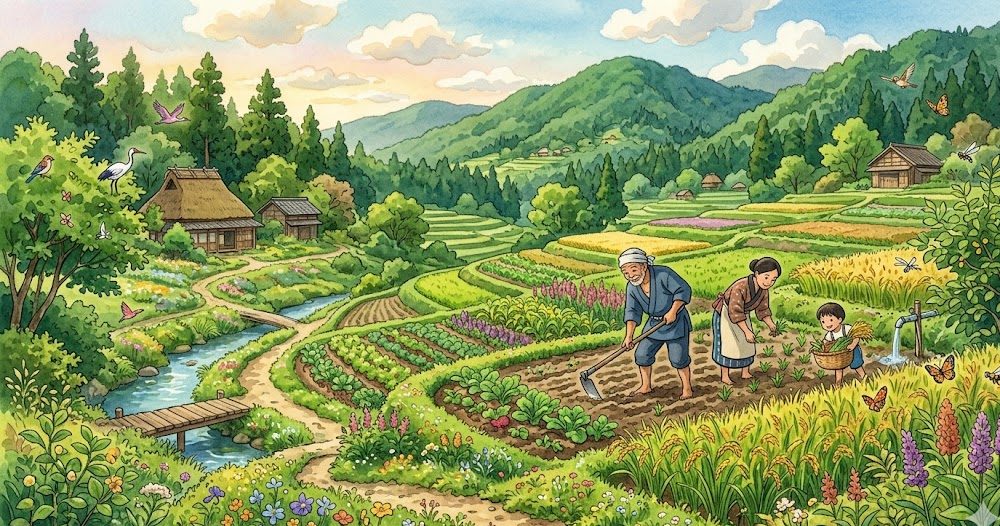
The modern agricultural landscape is facing a silent crisis. For decades, global food systems have hyper-focused on commercial monoculture—cultivating only a handful of high-yielding, genetically uniform, and chemically dependent crop varieties. While this industrial approach boosted short-term food volume, it has come at a devastating cost: the erosion of agricultural heritage, severe soil degradation, and a massive loss of genetic diversity.
Today, forward-thinking agronomists, eco-conscious entrepreneurs, and smallholder farmers are leading a quiet revolution. The focus is shifting back to Traditional Heritage Crops, time-tested Indigenous Farming systems, and active Biodiversity Preservation.
Returning to these ancient roots is no longer just a sentimental nod to the past; it is a critical strategy to build climate-resilient food supply chains, restore dying ecosystems, and tap into highly lucrative premium organic food markets.
1. Understanding Traditional Heritage and Heirloom Crops
Traditional heritage crops (often referred to as heirloom crops) are plant varieties that have been grown, preserved, and passed down through generations within specific geographic regions. Unlike modern hybrid or genetically modified (GM) seeds, heritage crops are open-pollinated, meaning they rely on natural mechanisms like wind, bees, or butterflies for pollination.
Key Characteristics of Heritage Crops:
- Genetic Resilience: These seeds have evolved over centuries to naturally adapt to their local microclimates, soils, and regional pest pressures without requiring synthetic chemical inputs.
- Nutritional Density: Modern commercial crops are often bred for uniform shape and shelf-life at the cost of nutrition. Heirloom varieties are highly celebrated for their superior micronutrient profiles, complex flavors, and rich textures.
- Cultural Legacy: They carry the history of indigenous communities, carrying unique stories, culinary identities, and medicinal applications.
2. The Pillars of Indigenous Farming Systems
Indigenous farming encompasses the ancestral, ecological knowledge systems practiced by native communities worldwide. These methods treat the farm as a holistic ecosystem rather than an isolated factory line.
A. Polyculture and Companion Planting
Unlike industrial monoculture, indigenous systems thrive on diversity. A classic example is the ancient Mesoamerican “Three Sisters” method, where corn, beans, and squash are planted together in a symbiotic layout. The tall corn provides a natural trellis for climbing beans; the beans fix atmospheric nitrogen into the soil to feed the crops; and the wide, low-growing squash leaves act as a living mulch, shading the soil to retain moisture and prevent weed growth.
B. Agroforestry and Forest Gardening
Indigenous communities rarely clear-cut forests to plant crops. Instead, they implement agroforestry—integrating food crops, medicinal herbs, and livestock directly into existing forest layers. This retains deep tree root systems, protects regional watersheds, and sequesters massive amounts of carbon dioxide.
C. Natural Seed Saving and Community Seed Banks
Indigenous agriculture relies heavily on decentralization. Farmers select seeds from their absolute best-performing harvests each season and store them using traditional preservation methods (such as coating seeds in neem oil, wood ash, or dry clay). These seeds are shared through community seed banks, ensuring localized food sovereignty.
3. Why Biodiversity Preservation is Critical for Survival
Agricultural biodiversity is the ultimate insurance policy for our planet against climate change. When a country relies on just two or three uniform varieties of a crop, a single new mutated pest or an unprecedented drought wave can trigger widespread crop failures.
The Role of Bio-Preservation in Modern Agri-Business:
- Climate Adaptation: As global temperatures fluctuate, heritage crops provide a massive genetic library. Varieties like deep-rooted indigenous millets can survive intense droughts that would instantly destroy commercial hybrid corn or wheat.
- Soil Microbiome Restoration: Growing a diverse range of traditional crops prevents the depletion of specific soil minerals. It encourages a thriving underground network of mycorrhizal fungi and beneficial bacteria, eliminating the need for expensive chemical fertilizers.
- Pest Balancing: Polyculture systems attract natural predators like ladybugs, birds, and predatory wasps, keeping destructive pest populations in check naturally.
Technical Matrix: Traditional vs. Industrial Agriculture
To understand how heritage crop systems compare to modern industrial farming networks across critical operational and ecological metrics, review the analytical table below:
| Feature Dimension | Industrial Monoculture Farming | Traditional Indigenous Farming | Sustainable Impact Matrix |
|---|---|---|---|
| Seed Sourcing | Commercial F1 Hybrids / Patented GM Seeds (Must buy every season) | Open-pollinated Heritage Seeds (Saved naturally on-farm) | 100% seed sovereignty; zero recurring seed costs. |
| Chemical Input Dependency | Extreme dependency on synthetic NPK fertilizers and chemical pesticides | Relies on organic compost, bio-pesticides, and crop rotation | Drastic reduction in operational expenses; toxin-free runoff. |
| Water Requirement | High; requires intensive flood or regular irrigation | Low to Medium; high drought tolerance and soil moisture retention | Conserves critical regional groundwater resources. |
| Market Valuation | Low to Medium commodity pricing; highly volatile | Premium niche pricing (Certified Organic, Heirloom, Fair Trade) | Insulated from mass wholesale price collapses. |
Export to Sheets
4. Strategies for Building a Profitable Heritage Agribusiness
Transitioning to heritage crop cultivation requires a sharp marketing and operational layout to transform ecological conservation into a highly profitable enterprise.
Step 1: Micro-Niche Crop Selection
Identify ancient crops native to your region that are gaining traction in global health trends. Examples include ancient grains (Spelt, Amaranth, Sorghum, and various Millets), black or red heritage rice varieties, and landrace pulses. These crops have massive demand in urban wellness circles.
Step 2: Establish “Story-Driven” Branding
Modern conscious consumers do not just buy a product; they buy the story behind it. Build a brand that highlights the heritage origins of the crop, the indigenous community involved in its cultivation, and the biodiversity footprint saved by the consumer’s purchase. QR codes on packaging that link to videos of the farm can dramatically boost brand loyalty and justify premium pricing tiers.
Step 3: Utilize Direct-to-Consumer (D2C) Networks
Bypass traditional middleman wholesale markets, as they do not differentiate between standard commercial crops and premium heritage varieties. Sell directly through organic farmers’ markets, specialty health food retail chains, e-commerce platforms, or via a subscription-based Community Supported Agriculture (CSA) model.
Overcoming Structural Bottlenecks in Heritage Farming
Operational Insider Note: The single largest challenge in traditional crop cultivation is lower initial volume yield when compared to chemically forced industrial hybrids. To counteract this and maintain strong financial margins, farmers must focus heavily on Value Addition. Instead of selling raw heritage grains, process them into premium gluten-free flours, cold-pressed oils, or packaged ready-to-cook breakfast mixes.
Furthermore, ensure your traditional farm secures valid Organic and Fair Trade Certifications early. This layout opens doors to high-paying international export markets in Europe and North America, where heirloom and heritage products command luxury price points.
Conclusion: The Sustainable Path Forward
Preserving Traditional Heritage Crops, practicing Indigenous Farming, and championing Biodiversity Preservation is far more than an ecological philosophy—it is the ultimate blueprint for the future of global food security. By shifting away from low-margin, high-chemical monocultures, growers protect the earth’s vital genetic diversity while building a resilient, self-sustaining, and highly lucrative commercial enterprise.
Invest in local seed varieties, nurture your soil’s natural biology, market the unique story of your harvest, and lead the way toward a profitable, sustainable agricultural future.
FAQ: Frequently Asked Questions
Q1. What is the difference between an heirloom crop and a hybrid crop? An heirloom crop is an open-pollinated variety that has been grown and passed down for over 50 years, maintaining stable genetic traits. A hybrid crop is created by deliberately cross-pollinating two different plant varieties in a lab to achieve specific short-term traits (like uniform size). Hybrid seeds cannot be saved for the next season, as their second-generation seeds do not grow true to type.
Q2. Are traditional heritage crops certified organic automatically? While indigenous farming methods inherently avoid synthetic chemicals, produce is not legally certified organic until the land and processes undergo inspection and verification by an official agricultural certification board.
Q3. How do millets fit into the heritage crop movement? Millets are ancient super-grains cultivated for thousands of years across Asia and Africa. They are the poster-child of the heritage crop movement because they require up to 70% less water than paddy rice, grow easily in poor soils without chemical fertilizers, and are highly valued globally for being gluten-free and rich in dietary fiber.