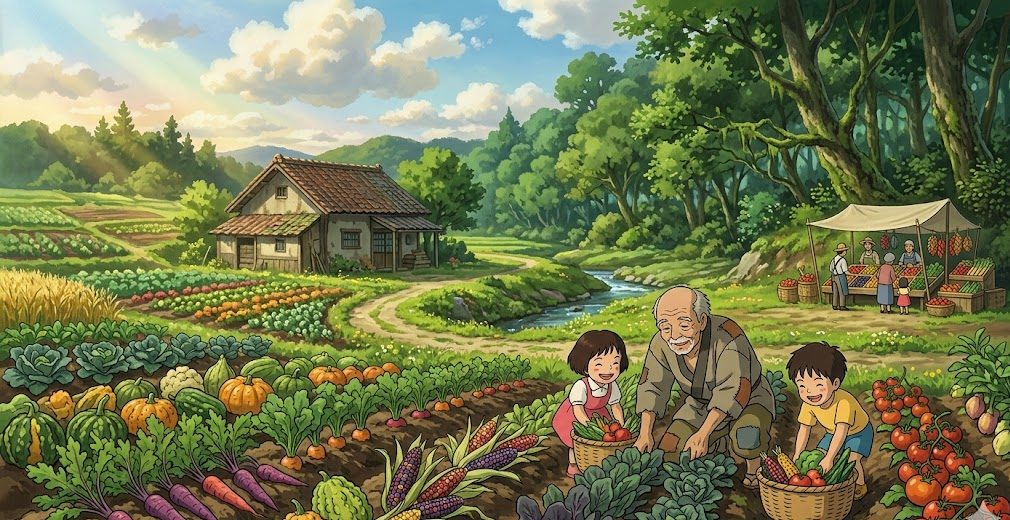
In our modern pursuit of high-yield, uniform agriculture, we have inadvertently left behind a treasure trove of biodiversity. For decades, industrial farming has focused on a handful of “super-crops”—wheat, rice, and corn—bred for transportability and shelf-life. In the process, thousands of “forgotten” or heirloom varieties that sustained civilizations for millennia have vanished from our plates.
However, the tide is turning. Today’s consumers are tired of bland, mass-produced produce. They are hungry for flavor, nutrition, and a connection to heritage. For the entrepreneurial farmer, reviving forgotten crops isn’t just about nostalgia; it’s a high-margin business strategy that offers a unique competitive edge in a crowded market.
1. What are “Forgotten Crops” and Heirloom Varieties?
Forgotten crops—often called “underutilized” or “orphan” crops—are plant species that were once staples but lost popularity due to the rise of industrial monoculture. Heirloom varieties are specific seeds that have been passed down through generations, often preserved by small communities or indigenous groups.
Why They Disappeared:
- Harvesting Difficulty: Many don’t ripen at the same time, making mechanical harvesting difficult.
- Shelf Life: Many are delicate and don’t survive a 1,000-mile journey in a refrigerated truck.
- Aesthetics: Some heirloom vegetables are “ugly”—they may be knobby, multi-colored, or oddly shaped.
2. The Market Opportunity: Why Now?
The modern market is witnessing a “Premiumization of Food.” People are willing to pay significantly more for a “Purple Dragon” carrot or “Black Galaxy” tomato than they are for the standard supermarket orange or red versions.
The “Foodie” and “Health” Boom
Consumers are increasingly aware that heirloom varieties are often more nutrient-dense. Because these plants haven’t been bred solely for size and sugar content, they often retain higher levels of antioxidants, minerals, and complex flavors.
Culinary Demand
High-end chefs are the greatest allies of the forgotten crop farmer. A restaurant can charge a premium for a salad featuring “Heirloom Glass Gem Corn” or “Ancient Emmer Wheat” because these ingredients offer a story and a visual appeal that industrial crops cannot match.
3. Top Forgotten Crops to Revive for Profit
If you are looking to scale your productivity by focusing on niche markets, consider these high-potential heirloom categories:
I. Ancient Grains (Millet, Spelt, Amaranth, Buckwheat)
While the world is obsessed with refined wheat, ancient grains are making a massive comeback. They are often gluten-friendly (though not always gluten-free) and are significantly more resilient to climate change and poor soil conditions.
II. Heritage Root Vegetables
Move beyond the standard potato. Reviving crops like Oca (a colorful Andean tuber), Salsify (which tastes like oysters), or Purple Sweet Potatoes can turn a standard vegetable stall into a gourmet destination.
III. Heirloom Tomatoes and Peppers
This is perhaps the most established heirloom market. Varieties like “Brandywine” or “Cherokee Purple” tomatoes are famous for their explosive flavor, which is a world apart from the “watery” taste of commercial varieties.
IV. Forgotten Pulses (Bambara Groundnut, Cowpeas)
Legumes that are drought-resistant and nitrogen-fixing are essential for sustainable farming. They are also becoming popular in the “plant-based protein” industry.
4. The Challenges of Heirloom Farming
Scaling a “forgotten” farm isn’t without its hurdles. You are effectively working against a system built for uniformity.
- Seed Sourcing: Finding authentic, high-quality heirloom seeds can be difficult. You may need to partner with seed banks or “seed saver” exchange groups.
- Yield Variability: Unlike hybrids, heirloom yields can be less predictable. Some years are “bumper” crops, while others might be lean.
- Lack of Research: Most modern agricultural tech is designed for major commodities. You will have to rely on “observation-based farming” and traditional knowledge.
5. Strategies for Market Success
To make forgotten crops profitable, you must be more than a farmer; you must be a storyteller.
I. Narrative Branding
Don’t just sell a vegetable; sell a history. Your packaging should explain the origin of the crop. Was this a favorite of the Aztecs? Did it survive the Great Depression? Storytelling increases the perceived value.
II. Direct-to-Consumer (DTC) Sales
Heirlooms are too delicate for long supply chains. Use Farmers’ Markets, Community Supported Agriculture (CSA) boxes, or high-end grocery boutiques. This allows you to keep 100% of the premium price.
III. Value Addition
If a crop is too fragile to sell fresh, process it. Turn heirloom berries into artisanal jams or ancient grains into stone-ground flour. This extends shelf life and increases your profit margins.
6. Biodiversity as Insurance: The Climate Benefit
Reviving forgotten crops is a vital strategy for Climate Resilience. Industrial crops are often “specialized” for specific conditions. If a heatwave or a new pest hits, they may all fail at once.
Forgotten crops, however, have survived for centuries precisely because they are hardy. They often have deep root systems for drought resistance or natural chemical defenses against pests. By growing a diverse range of heirloom varieties, you are essentially “insuring” your farm against environmental shocks.
Comparison: Heirloom vs. Industrial Farming
| Feature | Industrial Monoculture | Forgotten/Heirloom Farming |
| Genetic Base | Narrow (Few varieties) | Broad (Thousands of varieties) |
| Flavor Profile | Bland/Uniform | Complex/Diverse |
| Input Needs | High (Chemicals/Fertilizers) | Low (Adapted to local soil) |
| Market Price | Low (Commodity pricing) | High (Premium/Niche pricing) |
| Sustainability | Depletes Soil | Restores Biodiversity |
7. How to Get Started
- Start Small: Dedicate 10% of your land to “experiment” with 2 or 3 heirloom varieties.
- Test the Taste: Before scaling, ensure the variety actually tastes good. Flavor is your #1 selling point.
- Find Your “Anchor” Client: Talk to local chefs or specialty bakers. See what they are struggling to find in the market.
- Save Your Seeds: The beauty of heirlooms is that they are “open-pollinated.” You can save the seeds from your best plants each year, slowly adapting the crop to your specific farm’s climate.
Final Thoughts: Harvesting the Past for the Future
Forgotten crops farming is a bridge between our ancestral past and a sustainable future. It allows the modern farmer to exit the “race to the bottom” of commodity pricing and enter a market based on quality, health, and heritage.
By reviving these heirloom varieties, you aren’t just saving a plant from extinction; you are providing your community with a richer, more flavorful, and more resilient food system. In the world of 2026, the most “innovative” thing a farmer can do is look backward to the seeds our ancestors cherished.
The market is ready for a taste of history. Are you ready to grow it?