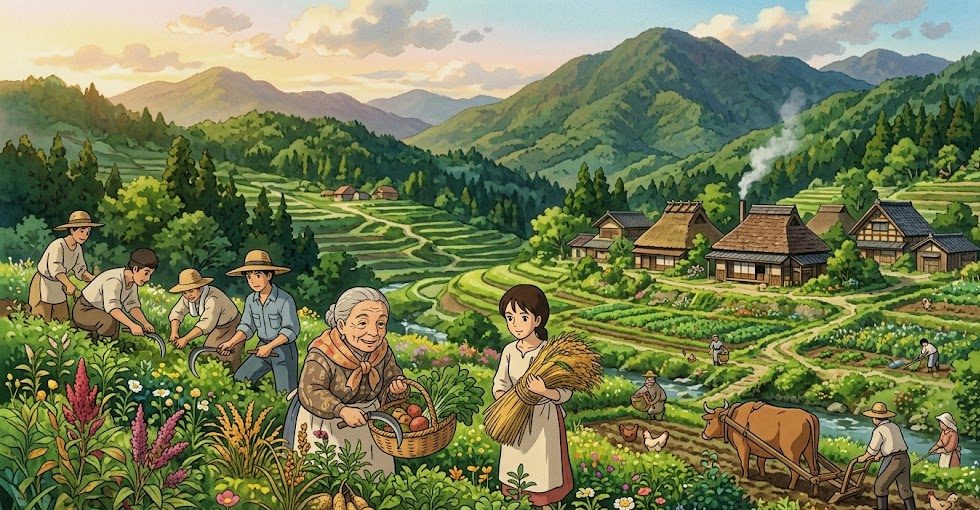
Take a moment to think about what you ate today. Whether it was a bowl of cereal, a lunchtime sandwich, or a side of rice with dinner, your meal likely relied on just three giant crops: modern wheat, corn, or white rice.
In fact, out of the hundreds of thousands of edible plant species on Earth, modern humanity gets over 60% of its plant-based calories from just these three staples. But it wasn’t always this way.
Centuries ago, our ancestors cultivated a vibrant, diverse tapestry of resilient grains, tubers, and greens. Known today as traditional forgotten crops, these ancient plant varieties thrived in harsh climates, required no synthetic chemicals, and were packed with dense nutrition. Over time, commercial agriculture pushed them aside in favor of high-yielding, uniform modern crops.
But as our planet faces unpredictable weather patterns, water shortages, and a growing health crisis, farmers and food lovers are turning back the clock. Ancient heritage farming is making a massive comeback. It isn’t just a nostalgic trend—it is a vital step toward securing our global food supply.
Here is a practical, beginner-friendly guide to understanding and growing the miraculous crops of our past.
1. What Are Traditional Forgotten Crops?
Traditional forgotten crops (often called orphan crops or heritage varieties) are plants that were domesticated by indigenous cultures thousands of years ago but have been largely ignored by modern industrial farming.
Because these crops have not been heavily modified or cross-bred for mass commercial production, they retain their wild, rugged genetics. They have evolved over millennia to survive extreme droughts, poor soil conditions, and local pests without human intervention.
2. Three Ancient Super-Crops Making a Comeback
Reintroducing heritage plants starts with knowing which varieties offer the highest nutritional and ecological value. Here are three incredible forgotten crops that deserve a spot in our modern fields and kitchens.
Amaranth: The Aztec Sacred Grain
Once a staple of the ancient Aztec empire, amaranth is an exceptionally tough crop with striking, bright pink or deep red seed heads.
- Nutritional Power: Unlike modern grains, amaranth is a complete protein, meaning it contains all nine essential amino acids that the human body cannot produce on its own. It is also completely gluten-free.
- Climate Resilience: Amaranth thrives in scorching summer heat and can produce a heavy harvest of seeds and edible leafy greens even during severe dry spells.
Millets: The Low-Water Champions
Millets—including pearl millet, finger millet, and foxtail millet—are small-seeded grasses that have been grown across Asia and Africa for over 5,000 years.
- Why They Matter: Millets require up to 70% less water than modern commercial rice and grow beautifully in sandy, low-fertility soils where wheat would instantly wither and die. They are incredibly rich in iron, calcium, and dietary fiber.
Oca and Andean Tubers
While the common potato rules the modern world, the Andean highlands are home to incredible heritage tubers like Oca and Mashua. Oca looks like a colorful, wrinkled fingerling potato but boasts a tangy, slightly sweet flavor. These tubers are naturally resistant to common potato blights, making them a fantastic alternative for sustainable organic farmers.
3. The Core Principles of Ancient Heritage Farming
Heritage farming is more than just planting old seeds. It is a philosophy of land management that prioritizes harmony with nature over chemical control.
[ Industrial Farming ] ---> Monoculture + Chemical Inputs = Soil Depletion
[ Heritage Farming ]   ---> Crop Diversity + Low Inputs   = Living Ecosystem
Emphasizing Crop Diversity
Industrial farming relies on monoculture—growing miles of a single crop variety. If a specific disease strikes, it can wipe out the entire harvest. Heritage farming relies on genetic diversity. By planting multiple traditional varieties together, you ensure that even if one variety struggles, others will adapt and survive.
Saving and Adapting Local Seeds
In heritage farming, you don’t buy new, patented seeds every spring. Instead, you practice the ancient art of seed saving. By harvesting seeds from your strongest, healthiest plants each season, you slowly breed a localized crop variety that is custom-tailored to your specific backyard or farm ecosystem.
4. Practical Tips for Growing Heritage Crops at Home
If you want to bring these forgotten plants back to life on your own land, keep these beginner tips in mind:
- Source Verified Seeds: Look for non-profit seed banks, indigenous seed-saving networks, or reputable heirloom seed companies. Ensure the seeds are open-pollinated, meaning they will grow true-to-type when you save them next year.
- Do Not Over-Fertilize: Heritage crops evolved in poor soils. Giving them heavy doses of synthetic nitrogen fertilizers can actually cause them to grow too tall, break easily, or produce fewer seeds. Let them rely on simple organic compost.
- Harvest the Entire Plant: Many forgotten crops are dual-purpose. For example, when growing amaranth or micro-millets, you can harvest the young leaves for nutrient-dense salads early in the season, and harvest the grains at the very end of autumn.
Conclusion
Traditional forgotten crops are a direct link to our agricultural past, but they also hold the key to our future. By integrating ancient heritage farming techniques into our modern food systems, we can rebuild tired soil, lower our reliance on water, and enjoy deeply nutritious food. Giving these forgotten plants a home on our land ensures that our rich agricultural history—and our planet—can thrive for generations to come.
Frequently Asked Questions (FAQs)
1. Why did these heritage crops get forgotten in the first place?
During the mid-20th century, the global “Green Revolution” focused on ending hunger by mass-producing uniform crops that could be harvested easily by large machines. Crops like wheat and corn were heavily favored because they responded well to synthetic fertilizers, leaving diverse, manual-harvest heritage crops behind.
2. Are ancient heritage grains completely gluten-free?
Many ancient grains like amaranth, millet, quinoa, and sorghum are naturally 100% gluten-free. However, some ancient wheat varieties like Einkorn, Emmer, and Spelt do contain gluten, though many people find them significantly easier to digest than highly processed modern dwarf wheat.
3. How do traditional crops help combat climate change?
Because traditional crops are naturally drought-tolerant and heat-resistant, they require very little irrigation. This conserves precious groundwater. Additionally, because they don’t need synthetic chemical fertilizers (which release greenhouse gases during manufacturing), their overall carbon footprint is incredibly low.
4. Can I save the seeds from heritage crops to plant next year?
Yes, absolutely! All authentic traditional and heritage crops are open-pollinated. This means you can save the seeds from your current harvest, store them in a cool, dry place over the winter, and plant them next spring. They will grow into identical, healthy crops.
5. Where can I buy food made from traditional forgotten crops?
You can find heritage grains and flours at local organic co-ops, health food stores, and upscale weekend farmer’s markets. As public interest in ancient grains grows, major grocery stores are also beginning to stock items like millet flour, amaranth grain, and black heirloom rice in their baking sections.