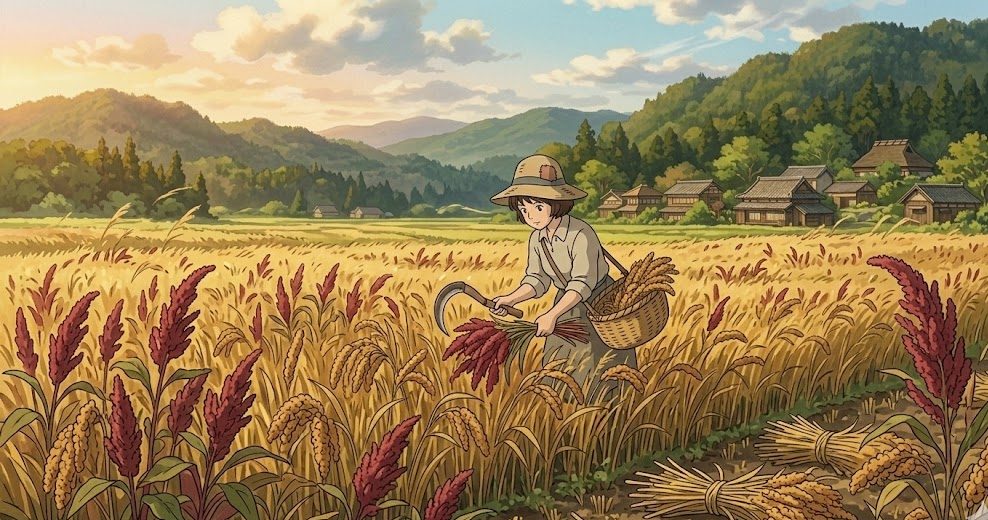
Did you know that despite the thousands of edible plants available to us, nearly 60% of the world’s plant-based calories come from just three crops: corn, wheat, and rice? This extreme biological narrowing has left modern agriculture vulnerable to volatile climates and soil depletion. As a modern farmer, you likely face the “Pain Point” of rising input costs for fertilizers and the increasing frequency of unpredictable weather patterns that threaten standard harvests.
The “Challenge” is clear: the industrial agricultural model is hitting a ceiling of sustainability. However, the “Main Concept” for a more resilient future may actually be found in our deep past. Ancient grains—such as Spelt, Einkorn, Millet, and Amaranth—offer a genetic blueprint for survival that modern hybridized crops have lost.
This guide serves as a roadmap for the modern grower. You will learn the fundamental differences between ancient and modern grains, the ecological and economic benefits of diversifying your acreage, and a step-by-step implementation strategy to bring these “forgotten” powerhouses back to the field.
Understanding Ancient Grains Farming: Key Concepts and Importance
To master Ancient Grains Farming, one must first define what makes a grain “ancient.” Unlike modern wheat, which has been extensively cross-bred for high yields and machine-harvesting convenience, ancient grains have remained largely unchanged for thousands of years. They are the “heirloom” varieties of the cereal world, preserving a complex genetic structure that modern industrial varieties have traded away for size.
Think of modern crops as highly tuned race cars: they are incredibly fast and efficient but require a specialized pit crew (fertilizers, pesticides, and irrigation) to function. If the track conditions change slightly, they crash. Ancient grains, by contrast, are the all-terrain vehicles of agriculture. They may not reach the same top speeds in perfect conditions, but they can navigate rocky soil, withstand droughts, and resist pests with minimal outside assistance.
Modern relevance is surging because consumers are increasingly seeking “clean label” foods. Ancient grains are often more digestible and nutrient-dense, making them highly profitable for farmers who can tap into the health and wellness market. Understanding these grains isn’t just a nod to history; it’s an investment in a biological insurance policy for your farm.
Why It Matters: The Top Benefits of Ancient Grains
Transitioning a portion of your land to ancient grains isn’t just an ethical choice—it’s a strategic business move. The advantages span from your soil’s health to your bank account’s bottom line.
- Climate Adaptability: Many ancient grains, particularly Millet and Sorghum, are naturally drought-tolerant. They have deeper root systems than modern wheat, allowing them to access moisture and nutrients that lie far beneath the surface.
- Low Input Costs: Because these grains evolved in rugged environments, they generally require 30-50% less synthetic fertilizer. Their natural resilience often eliminates the need for aggressive fungicide or pesticide regimens.
- Soil Regeneration: Ancient varieties are excellent for “smothering” weeds naturally due to their tall growth habits. They also contribute significant biomass back into the soil, improving organic matter levels over time.
- Premium Market Pricing: While yields per acre might be lower than modern corn, the price per bushel for certified organic ancient grains can be two to three times higher. This “niche” status protects farmers from the price crashes of the global commodity market.
Pro Fact: According to recent agricultural studies, ancient grains like Kamut (Khorasan wheat) contain significantly higher levels of selenium, magnesium, and zinc compared to modern bread wheat, making them a “functional food” in high demand.
How to Get Started: A Practical Guide for Beginners
Starting with ancient grains requires a shift in mindset from “volume” to “value.” Here is an actionable 5-step plan to integrate these crops into your modern operation.
1. Soil Testing and Variety Selection
Ancient grains are hardy, but they have preferences. Conduct a deep-core soil test to check mineral levels. If you have dry, sandy soil, look toward Millet; if you have cooler, temperate highlands, Spelt or Emmer may be your best bet.
2. Sourcing Pure Genetics
The success of your crop depends on the purity of the seed. Avoid “commodity” seeds and seek out reputable seed banks or heritage growers who specialize in non-hybridized, open-pollinated varieties.
3. Adjusting Machinery
Most ancient grains have a “hull” (a protective outer layer) that modern wheat lacks. You may need to adjust your combine settings—specifically the concave clearance and fan speed—to ensure you aren’t cracking the grain while attempting to remove the husk.
4. Weed Management Through Density
Since you will likely be avoiding heavy herbicides, use narrower row spacing. A dense canopy of ancient grains can outcompete weeds for sunlight, acting as a living mulch.
5. Developing Post-Harvest Infrastructure
Unlike corn, you can’t just drop ancient grains at the local elevator. You will need on-farm storage or a partnership with a specialty miller. Ensure you have a way to “de-hull” the grains, as many buyers require the grain to be “naked” before purchase.
Beginner’s Tip: Don’t start with 500 acres. Begin with a 5-acre trial plot. This allows you to calibrate your equipment and understand the specific growth cycle of the grain without risking your entire season’s revenue.
Overcoming Challenges and Looking into the Future
The primary hurdle in ancient grain farming is the infrastructure gap. Most modern industrial equipment is designed for “naked” grains. Farmers often find they need to invest in or build their own de-hulling equipment. Furthermore, ancient grains tend to “lodge” (fall over) if given too much nitrogen, so the “more is better” approach to fertilizing must be unlearned.
Future Trends: We are entering the era of Perennial Grains. Scientists are currently working to cross ancient grains with wild grasses to create crops like Kernza, which stay in the ground year-round. This would allow farmers to harvest grain every year without ever tilling the soil, potentially revolutionizing carbon sequestration in agriculture.
Conclusion
The resurgence of ancient grains represents a beautiful irony: the “newest” trend in agriculture is actually thousands of years old. By integrating these resilient, nutrient-dense crops, modern farmers can solve the dual problems of environmental instability and shrinking profit margins.
The core message is simple: diversity equals stability. Moving away from a monoculture mindset doesn’t happen overnight, but the rewards—healthier soil, lower costs, and premium markets—are well worth the transition.
Would you like me to help you identify the best ancient grain variety for your specific hardiness zone and soil type?
FAQs
Q1: Can I use my existing combine to harvest ancient grains? Yes, but you will need to calibrate it specifically for the weight and size of the grain. Many ancient grains are smaller and lighter than modern wheat, requiring lower wind speeds to prevent them from being blown out of the back of the machine.
Q2: Are ancient grains truly gluten-free? No. Grains like Spelt, Einkorn, and Emmer still contain gluten, though many people with sensitivities find the simpler molecular structure of this gluten easier to digest. However, Millet, Teff, and Amaranth are naturally 100% gluten-free.
Q3: How do I find buyers for my harvest? Look toward artisanal bakeries, craft breweries, and local “farm-to-table” distributors. These buyers are often willing to pay a premium for the unique flavor profiles and nutritional benefits of ancient varieties.
Q4: Do ancient grains require a specific type of storage? They should be stored at a lower moisture content (typically around 12%) to prevent mold. Because many have a protective hull, they actually store better and longer than modern “naked” grains, provided they are kept in a cool, dry environment.